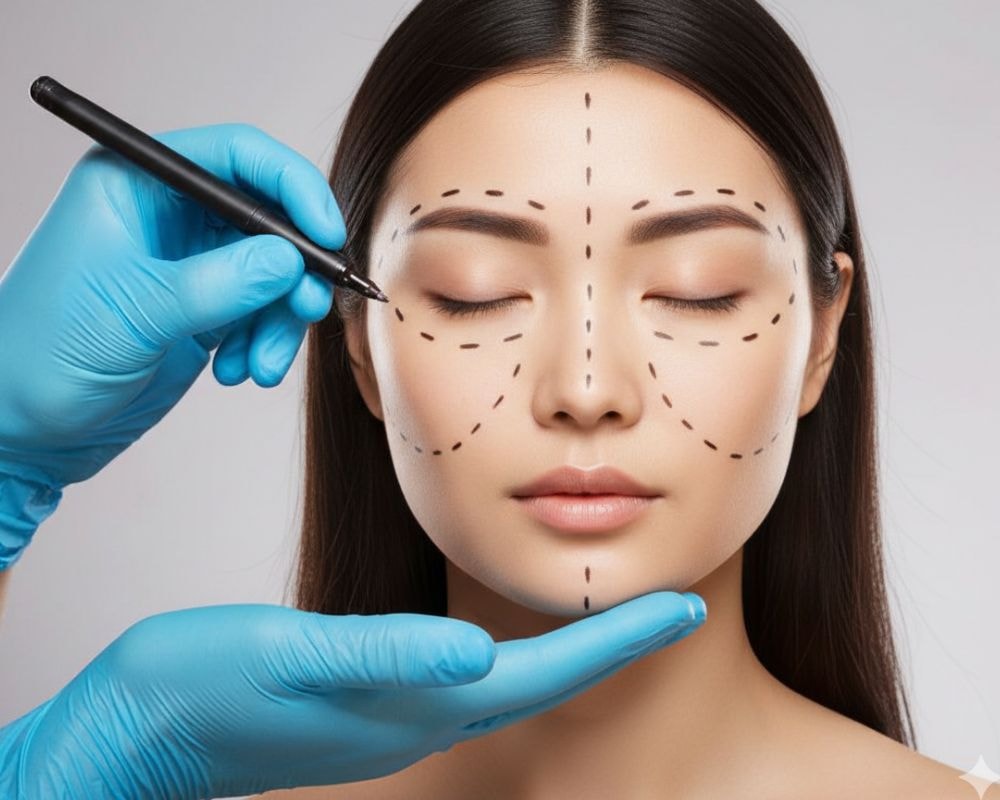
Traditional plastic surgery was designed with one standard of beauty in mind. More than 4.9 million cosmetic plastic surgery procedures were performed on ethnic patients in 2020, and 32% of all cosmetic plastic surgery patients were Asian, Black, or Hispanic. Yet many still wonder: what makes ethnic plastic surgery different, and why does it matter for your results?
This guide answers every question about this specialized approach to cosmetic enhancement.
What we’ll cover:
- The definition of ethnic plastic surgery and how it differs from traditional procedures
- Why standard techniques can produce unnatural results on diverse skin types
- Common procedures tailored for different ethnic backgrounds
- How to find a qualified surgeon who understands your unique anatomy
- Risks specific to ethnic patients, including scarring and pigmentation concerns
- What to expect during consultation and recovery
At Aestira in Miami, Dr. Waylon Zeng brings extensive experience working with patients from diverse backgrounds. His approach honors your heritage while achieving the refined results you want.
Ethnic Plastic Surgery and How It Differs from Traditional Procedures
Ethnic plastic surgery refers to cosmetic procedures specifically tailored to enhance the appearance of patients from diverse racial and ethnic backgrounds while preserving the characteristics that define their heritage. Unlike traditional plastic surgery, which was historically developed around Caucasian facial features and bone structure, ethnic modification techniques recognize that beauty looks different across cultures.
The fundamental difference lies in the approach. Traditional procedures often aimed to achieve a standardized aesthetic, applying the same techniques regardless of a patient’s ethnicity. This one-size-fits-all methodology frequently produced results that looked artificial or out of harmony with the patient’s other facial features.
The majority of patients want to maintain their ethnic identity. They do not want to lose important facial features that exhibit racial character. For instance, the typical Asian patient who has eyelid surgery desires a wider, fuller eye that is natural-looking to the Asian face and maintains an almond shape. A Black patient interested in rhinoplasty may want to reduce the size of their nose to achieve a harmonious balance with other facial features, but is not seeking a nose that is more European.
Ethnic facial plastic surgery addresses this gap by:
- Recognizing that facial harmony differs across ethnic groups
- Using specialized techniques developed for specific skin types and anatomical structures
- Prioritizing refinement over transformation
- Preserving the cultural identity that makes each face unique
Ethnic plastic surgery is a cosmetic specialty that tailors plastic surgery procedures to highlight the features of a particular ethnic group. When undergoing surgery, it is essential to retain looks and features that identify you with your race or ethnicity.
The rise of ethnic plastic surgery over the past two decades reflects a broader understanding within the field: there is no single standard of beauty. A skilled surgeon must understand how different ethnic traits influence surgical planning, from the shape of the nose to the structure of the jaw to the characteristics of the skin itself.
Why Standard Techniques Can Produce Unnatural Results on Diverse Skin Types

When plastic surgery was first developed, the techniques, tools, and expected outcomes were created with Caucasian patients in mind. Applying these same methods to patients of African American, Asian, Hispanic, or Middle Eastern descent often leads to results that look obviously “done” or clash with the person’s natural appearance.
Everyone has different, unique facial features and bone structure, which greatly influence the outcome of any procedure. Applying a European or other “standard of beauty” to ethnic patients may produce inconsistent results that are not harmonious with other facial features.
Anatomical Differences Matter
Different ethnic groups have distinct anatomical characteristics that require specialized approaches:
- Skin thickness and texture: Patients of African descent and many Hispanic patients tend to have thicker skin with more sebaceous glands. This affects how the skin drapes over underlying structures after surgery, particularly in rhinoplasty, where thick skin can obscure subtle refinements to the tip.
- Cartilage structure: Asian patients often have softer, less projected nasal cartilage compared to Caucasian patients. Using reduction techniques designed for European noses can lead to collapse or an overly flat appearance.
- Bone structure: The underlying facial skeleton varies significantly across ethnic backgrounds. The width of the nasal bones, the projection of the cheekbones, and the angle of the jaw all influence how surgical changes will appear.
- Healing patterns: Different skin types heal differently. Ethnic patients with darker skin have increased chances of developing keloids or hypertrophic scars post-surgery. These scars manifest as thick, raised tissue around the incision line and can be very noticeable.
The Problem with “Standard” Rhinoplasty
Consider the nose job as an example. Traditional rhinoplasty techniques focus on reduction: removing a hump, narrowing the bridge, refining a bulbous tip. But for many ethnic patients, the goal is often augmentation rather than reduction.
Asian rhinoplasty frequently requires building up the nasal bridge and adding projection to the tip. African American rhinoplasty may need cartilage grafts to create definition while maintaining proportions that suit the face. Middle Eastern rhinoplasty must balance reducing a dorsal hump while preserving enough structure to avoid an overly scooped profile.
When surgeons apply standard techniques without understanding these differences, patients may end up with:
- Noses that look pinched or artificial
- Results that clash with their other facial features
- Breathing problems from over-aggressive reduction
- An appearance that erases their ethnic features entirely
The solution is not avoiding surgery. It is finding a surgeon who understands that achieving facial balance requires different approaches for different patients.
Common Procedures Tailored for Different Ethnic Backgrounds
Ethnic plastic surgery encompasses a wide range of procedures, each adapted to honor the patient’s heritage while addressing specific concerns. The most popular procedures vary by ethnic background, reflecting different cultural beauty standards and anatomical considerations.
Ethnic Rhinoplasty Procedures
Rhinoplasty remains the most requested procedure among ethnic patients, but the techniques differ dramatically based on the patient’s background.
African American Rhinoplasty
Patients of African descent often seek refinement of a wide nasal base, definition of a bulbous tip, and increased bridge projection. Unlike traditional nose jobs that focus on reduction, African American rhinoplasty frequently requires:
- Cartilage grafting to build up the bridge
- Tip refinement techniques that preserve breathing function
- Alar base reduction to narrow the nostrils proportionally
- Specialized suturing to create definition without removing too much tissue
Asian Rhinoplasty
Asian rhinoplasty addresses the anatomical characteristics common in patients of Asian descent: a lower nasal bridge, softer tip cartilage, and thicker skin covering the nasal tip.
Common techniques include:
- Dorsal augmentation using cartilage grafts from the septum, ear, or rib
- Tip projection and definition
- Preservation of the natural Asian facial harmony
- Careful management of thick skin to reveal underlying structural changes
Hispanic Rhinoplasty
Hispanic patients represent a diverse group with varied nasal characteristics. Some may have features similar to Middle Eastern patients, while others may have characteristics more common in Indigenous or African ancestry.
Procedures are customized based on:
- Individual nasal anatomy and skin thickness
- Desired outcome (refinement vs. more significant change)
- How changes will balance with other facial features, like the mouth and jaw
Middle Eastern Rhinoplasty
Patients of Middle Eastern descent often seek a reduction of a prominent dorsal hump and refinement of a drooping or overprojected tip. The challenge lies in achieving subtle results without creating an obviously operated appearance.
Key considerations include:
- Maintaining enough bridge height to preserve ethnic character
- Addressing tip ptosis (drooping) without over-rotation
- Ensuring the profile remains harmonious with strong features
Asian Blepharoplasty (Double Eyelid Surgery)
Asian Blepharoplasty, also known as double eyelid surgery, can create a crease in the upper eyelid without compromising the natural eye shape. Many patients prefer a subtle look that preserves their heritage rather than a dramatic Western-style eyelid.
This procedure creates a fold in the upper eyelid for patients born with a “monolid.” The goal is enhancement, not Westernization. A skilled surgeon will create a crease that looks natural on an Asian face rather than mimicking Caucasian eyelid anatomy.
Body Contouring for Diverse Patients
Body procedures also require ethnic-specific approaches:
Breast Augmentation in patients of color may require specific techniques to minimize the appearance of scars, which can be more prominent on darker skin tones. Breast Reduction may be common among African American patients, where larger breast sizes can cause discomfort or health issues.
Liposuction, Brazilian butt lifts, and tummy tucks all require understanding how different skin types heal and scar. Incision placement becomes even more critical when working with patients prone to keloid formation.
Facial Contouring
Facial structure and bone density can vary significantly between different ethnicities. Tailored facial contouring ensures that the results look natural and complement the patient’s ethnic background. African American and Asian patients may opt for procedures that accentuate or balance the jawline and chin while maintaining their natural facial harmony.
How to Find a Qualified Surgeon Who Understands Your Unique Anatomy
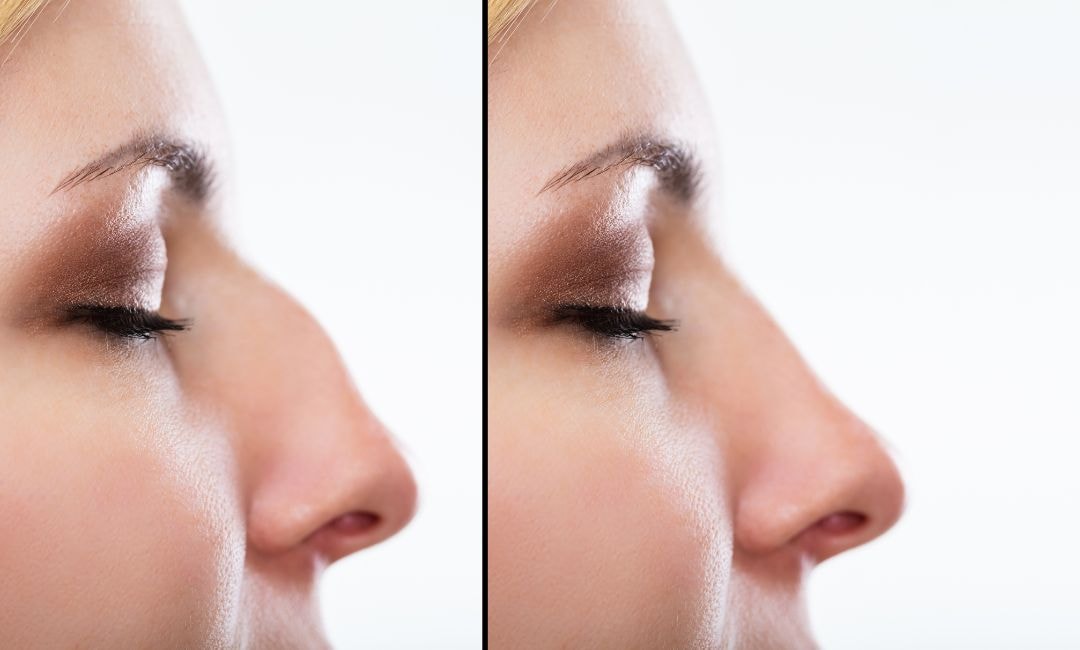
Choosing the right surgeon for ethnic plastic surgery requires more research than simply finding someone board-certified. You need a provider who has specific experience with your ethnic background and a portfolio that demonstrates natural, heritage-preserving results.
Verify the Surgeon’s Credentials
Start with the basics:
- Board certification: Confirm the surgeon is certified by the American Board of Plastic Surgery or the American Board of Facial Plastic and Reconstructive Surgery. This ensures they have completed rigorous training and passed comprehensive examinations.
- Fellowship training: Some surgeons complete additional fellowship training in specific areas like rhinoplasty or craniofacial surgery. This extra experience can be valuable for complex ethnic procedures.
- Hospital privileges: Surgeons with privileges at accredited hospitals have undergone peer review of their qualifications and outcomes.
Look for Specific Experience with Your Ethnicity
To help ensure optimal results, patients should choose an ASPS Member Surgeon who has experience performing the requested procedure(s) on ethnic skin types and ethnically sensitive areas.
General board certification is not enough. You want a surgeon who:
- Has performed hundreds of procedures on patients with similar ethnic backgrounds
- Can show before-and-after photos of patients who look like you
- Understands the specific anatomical characteristics of your ethnic group
- Has developed techniques tailored to diverse patients
Review Before-and-After Photos Critically
When examining a surgeon’s portfolio, look for:
- Natural results: Do the outcomes look like refined versions of the patients, or do they look like different people?
- Diversity: Does the gallery include patients from your ethnic background?
- Consistency: Are the results uniformly good, or are there significant variations?
- Long-term photos: Results at one year or longer show how well the surgery holds up over time
Patients should ask their plastic surgeon to see before and after photos or speak with other ethnic patients who have had similar procedures.
Questions to Ask During Consultation
Prepare specific questions:
- How many procedures have you performed on patients of my ethnic background?
- What techniques do you use that differ from standard approaches?
- Can I see photos of patients with similar features to mine?
- How do you adjust your approach for my skin type?
- What is your revision rate for patients from my ethnic group?
A surgeon who specializes in ethnic facial plastic surgery will welcome these questions and provide detailed, knowledgeable answers.
Red Flags to Watch For
Avoid surgeons who:
- Cannot show examples of work on patients from your ethnic background
- Seem dismissive of concerns about preserving ethnic features
- Promise a dramatic transformation rather than a natural refinement
- Rush through consultations without understanding your goals
At Aestira, Dr. Waylon Zeng brings years of experience working with diverse patients. His understanding of how ethnicity influences surgical planning helps patients achieve results that feel authentically their own.
Risks Specific to Ethnic Patients
All surgery carries risks, but ethnic patients face additional considerations that require specialized attention. Understanding these concerns helps you make informed decisions and choose a surgeon equipped to manage them.
Scarring: Keloids and Hypertrophic Scars
Skilled surgeons can minimize scarring by utilizing less invasive techniques and placing their incisions in less visible areas.
Patients with darker skin types have a significantly higher risk of abnormal scarring:
- Keloid scars extend beyond the original incision line and can continue growing over time. They appear as raised tissue that may be darker or lighter than the surrounding skin. Keloids are most common in patients of African, Asian, and Hispanic descent.
- Hypertrophic scars remain within the boundaries of the incision but become raised and thickened. While they may improve over time, they can still be noticeable.
Surgeons experienced with ethnic patients minimize scarring risk by:
- Placing incisions in concealed locations whenever possible
- Using tension-free closure techniques
- Recommending silicone sheets or pressure therapy after surgery
- Monitoring healing closely and intervening early if abnormal scarring develops
Pigmentation Changes
Ethnic patients are also more at risk for developing hypopigmentation (lightening of the skin) or hyperpigmentation (darkening of the skin) from chemical peels, laser-based treatments, and exfoliation.
Skin with more melanin is more reactive to trauma, including surgical trauma. This can lead to:
- Hyperpigmentation: Darkening of the skin around incisions or treated areas. This is particularly common with laser procedures, chemical peels, and any treatment that causes inflammation.
- Hypopigmentation: Lightening of the skin, which can be permanent and very noticeable on darker skin tones.
Surgeons can test the skin before certain procedures to determine the risk level. Post-operative care protocols may include:
- Sun protection to prevent worsening of pigmentation changes
- Specific skincare products to encourage even healing
- Avoidance of certain treatments during the healing process
Anatomical Risks in Rhinoplasty
Ethnic rhinoplasty carries specific risks related to the unique anatomy of different ethnic groups:
- Tip problems: Thicker skin may not reveal subtle changes to the underlying structure, leading to disappointment with results. Overly aggressive tip work in patients with weak cartilage can lead to collapse or distortion over time.
- Bridge issues: Augmentation using grafts carries risks of infection, displacement, or visible irregularities. Improper graft selection or placement can create an unnatural appearance.
- Breathing compromise: Over-reduction of the nasal structure, particularly in patients with naturally wider airways, can impair breathing function.
Healing Differences
The healing process varies across ethnic groups:
- Thicker skin takes longer to show final results, sometimes up to 18 months for rhinoplasty
- Bruising may appear differently on darker skin tones
- Swelling patterns can differ based on skin characteristics
- Scar maturation follows different timelines
Understanding these differences helps set realistic expectations and prevents unnecessary concern during recovery.
How to Minimize Risks
Choose a surgeon who:
- Has broad experience with your skin type
- Uses techniques developed specifically for ethnic patients
- Provides detailed post-operative care instructions
- Monitors your healing closely
- Has protocols in place for managing complications
What to Expect During Consultation and Recovery
The consultation process for ethnic plastic surgery goes deeper than standard cosmetic surgery appointments. Your surgeon needs to understand not just what you want to change, but what you want to preserve.
The Consultation Process
- Initial discussion: Your surgeon should spend significant time understanding your goals. This includes discussing your cultural identity and which elements of your appearance you want to maintain. A good surgeon listens more than they talk during this phase.
- Anatomical assessment: The surgeon will evaluate your specific anatomy, including skin thickness, cartilage strength, bone structure, and how these factors influence potential outcomes. For rhinoplasty, this may involve examining the internal nasal structures as well.
- Photo documentation: Standardized photographs from multiple angles create a baseline for planning and later comparison.
- Computer imaging: Many surgeons use digital imaging to show potential outcomes. While these are not guarantees, they help ensure you and your surgeon share the same vision.
- Technique discussion: Your surgeon should explain which techniques they plan to use and why these approaches are appropriate for your ethnicity. This is your opportunity to ask questions and ensure they have specific experience with patients like you.
- Realistic expectations: ASPS Member Surgeons will consider what the patient finds attractive, based on his/her personal and/or cultural ideals, and then, when possible, adapt surgical techniques to meet those requirements. However, a good surgeon will also explain limitations and ensure your expectations align with what is achievable.
Pre-Operative Preparation
Before surgery, you may need to:
- Stop certain medications that increase bleeding risk
- Quit smoking, which impairs healing
- Arrange for someone to drive you home and help during initial recovery
- Prepare your recovery space with the necessary supplies
- Complete any required medical clearances
The Recovery Timeline
Recovery varies by procedure, but ethnic patients should understand some general principles:
- Week 1: The most intensive recovery period. Expect significant swelling, bruising, and discomfort. For facial procedures, you may have splints, bandages, or dressings. Rest is essential.
- Weeks 2 to 4: Most patients can return to work and light activities. Swelling begins to subside, but the results are still far from final. Bruising fades, though it may take longer to resolve completely on some skin types.
- Months 1 to 3: Continued improvement as swelling decreases. You will start to see the shape of your results, though subtle refinement continues.
- Months 6 to 12: For procedures involving thick skin, such as rhinoplasty in many ethnic patients, final results may not be visible for up to 18 months. Patience is essential.
Post-Operative Care Considerations
Ethnic patients may have specific aftercare needs:
- Scar management: Starting silicone sheets or other treatments early can help prevent abnormal scarring
- Sun protection: Critical for preventing pigmentation changes, especially during the first year
- Gentle skincare: Avoiding harsh products that could irritate healing skin
- Follow-up appointments: Regular monitoring allows early intervention if healing concerns arise
Long-Term Results
When performed by an experienced surgeon using appropriate techniques, ethnic plastic surgery delivers results that:
- Last for decades
- Age naturally with your face
- Preserve the features that reflect your heritage
- Enhance rather than erase your cultural identity
At Aestira, patients receive comprehensive care from consultation through recovery. Dr. Zeng’s integrative wellness approach includes nutritional guidance and recovery protocols designed to optimize healing for all skin types. The goal is always the same: helping you look like the best version of yourself while honoring where you come from.
Honor Your Heritage With Aestira
Ethnic plastic surgery represents a fundamental shift in how the cosmetic industry approaches beauty. Rather than applying one-size-fits-all techniques, specialized surgeons now recognize that true enhancement means refining your features while preserving the characteristics that make you uniquely you. The right approach celebrates diversity rather than erasing it.
Key takeaways:
- Ethnic plastic surgery tailors techniques to specific racial and ethnic backgrounds, preserving cultural identity while achieving aesthetic goals
- Traditional procedures developed for Caucasian features often produce unnatural results on diverse skin types and bone structures
- Common procedures include ethnic rhinoplasty, Asian blepharoplasty, and body contouring adapted for different healing patterns
- Ethnic patients face higher risks of keloid scarring and pigmentation changes, requiring surgeons with specialized experience
- Finding the right surgeon means verifying credentials, reviewing before-and-after photos of similar patients, and asking specific questions about their experience with your ethnicity
- Recovery timelines may be longer for patients with thicker skin, with final rhinoplasty results taking up to 18 months
At Aestira, Dr. Waylon Zeng provides services that honor each patient’s unique background regardless of gender or ethnicity. His patient-centric approach combines surgical expertise with a deep understanding of diverse facial anatomy, helping you achieve results that feel yours.
FAQs
What is ethnic plastic surgery?
Ethnic plastic surgery refers to cosmetic procedures specifically tailored to enhance patients from diverse racial backgrounds while preserving their cultural identity. Unlike traditional techniques developed for Caucasian features, these specialized approaches respect different bone structures, skin types, and aesthetic standards unique to each ethnicity.
What ethnicity does the most plastic surgery?
In raw numbers, Caucasians account for approximately 78% of U.S. procedures. However, South Korea leads globally in per capita rates. Hispanic, Asian, and African American patients represent the fastest-growing demographics, with over 4.9 million procedures performed on ethnic patients in 2020 alone.
How much does an ethnic rhinoplasty cost?
Ethnic rhinoplasty typically costs between $10,000 and $20,000 or more, depending on complexity. The higher price reflects specialized techniques, potential cartilage grafting, and the expertise required. Services vary by surgeon experience and location.
What is ethnic plastic surgery quizlet?
For educational purposes, ethnic plastic surgery is defined as cosmetic procedures adapted to preserve racial characteristics while addressing aesthetic concerns. It recognizes that beauty varies across cultures and that techniques must be modified based on anatomical differences in skin, cartilage, and bone structure, regardless of gender.
How much does ethnic rhinoplasty cost in the US?
In the U.S., ethnic rhinoplasty ranges from $8,000 to $25,000 depending on surgeon expertise, geographic location, and procedure complexity. Major cities like Miami, Los Angeles, and New York typically charge higher fees. Always prioritize surgeon experience over cost when selecting a provider.