Most patients search “Motiva implant cost” expecting a single number. What they find instead is a range so wide it feels useless. $7,000? $17,000? What’s actually in that price? The problem isn’t that the information doesn’t exist. It’s that most sources quote the device fee and quietly skip the five other costs sitting right behind it.
Here’s what this guide covers:
- What the total Motiva implant cost actually includes, fee by fee
- What factors push your price up or down
- How Motiva pricing compares to traditional implants
- Motiva’s warranty and health program coverage explained
- Financing options and how to make it work within your budget
Our consultation at Aestira is $30, and Dr. Zeng walks through pricing with full transparency from the very first conversation. If you’re trying to plan a realistic budget before committing, start here.
What the Total Cost Really Includes
The number you see quoted for Motiva breast implants is almost never the full picture. Most figures represent one line item. Your actual out-of-pocket investment covers several distinct fees, each with its own range.
Your total breast augmentation cost typically breaks down across these components: surgeon fee, anesthesia, operating room and facility fee, implant materials, and pre-op labs, medications, and follow-up appointments.
Here’s how each one looks specifically for Motiva breast implants in the U.S.:
| Fee Component | Typical Range | What It Covers |
|---|---|---|
| Surgeon’s fee | $2,000 – $8,000 | Surgeon’s expertise, experience level, surgical planning, and follow-up appointments. Newer surgeons charge less; established practices charge more |
| Anesthesia | $600 – $2,000 | Board-certified anesthesiologist or nurse anesthetist, medications during surgery |
| Facility fee | $1,500 – $3,500 | Accredited surgical suite, sterile equipment, nursing staff |
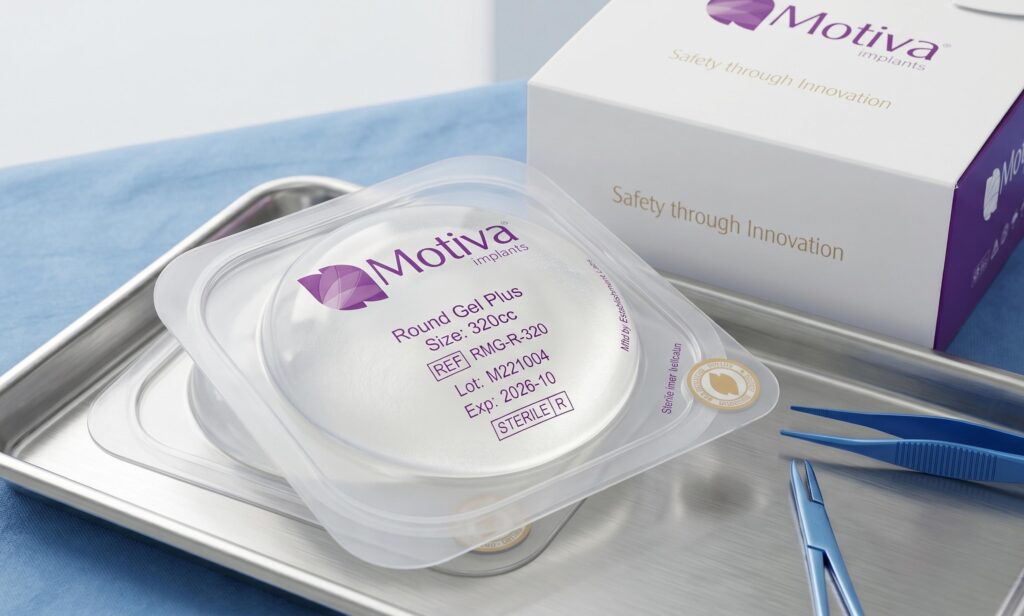
| Motiva Round (device) | $1,000 – $1,200 per pair | The implant technology itself, including the BluSeal® barrier layer |
| Motiva Ergonomix® (device) | $1,200 – $1,400 per pair | Advanced ProgressiveGel Ultima® formulation with adaptive movement |
| Pre-op labs and imaging | $200 – $500 | Blood work, medical clearance, medical history review |
| Post-op medications | Minimal, varies by case | Pain management and antibiotics as needed; typically, a small cost |
| Follow-up visits | Often included | Progress checks during your recovery timeline |
| Consultation fee | $30 at Aestira | Initial surgical planning conversation |
| Total estimated range | $6,500 – $8,000 at Aestira | Higher at more established practices or outside Florida |
Always ask for an all-inclusive quote. A low headline number that excludes anesthesia or facility fees is not a fair comparison. A quote under $4,000 total is almost always missing something: an unaccredited facility, a non-board-certified surgeon, or sedation-only anesthesia in a doctor’s office.
What Pushes Your Price Up or Down
Two patients choosing Motiva breast implants can end up with significantly different final quotes. Here’s why.
Factors That Increase Cost
- Implant type: Motiva Ergonomix® and Ergonomix2® sit higher than Motiva Round due to the more complex ProgressiveGel Ultima® formulation
- Implant size: Larger implant size requires more material and can affect surgical complexity
- Combined procedures: Adding a breast lift or lift and augmentation to your primary breast augmentation increases both OR time and surgeon’s fee meaningfully
- Surgeon’s expertise: An experienced plastic surgeon with a strong track record in Motiva implant placement commands a higher fee, and that’s a premium worth paying
- Geographic location: Miami, New York, and Los Angeles practices carry higher overhead than inland markets, which flows through to patient pricing
- Revision surgery: Patients correcting results from a previous breast augmentation surgery will typically pay more due to added surgical complexity, including managing scar tissue and existing implant removal
Factors That Reduce Cost
- Motiva Round vs Ergonomix: Choosing Motiva Round over the Ergonomix models reduces the device cost while still offering natural-looking results and enhanced biocompatibility
- Standalone augmentation: Primary breast augmentation without a lift is simpler, faster, and less expensive
- Financing: Spreading payments through healthcare lending eliminates the need to pay everything up front without reducing care quality
Don’t optimise for the lowest quote. Patient safety depends on the quality of your surgeon, your facility, and the implant technology chosen. Cutting corners on any of these three increases your risk of revision surgery down the line, which costs more than getting it right the first time.
One pricing factor worth knowing: Miami runs lower than the national average for breast augmentation, largely due to market competition. That makes practices like Aestira a strong value proposition. You get access to advanced implant technology and a surgeon trained in the latest techniques, without the inflated pricing you’d encounter in other major markets or more established practices outside Florida.
Motiva vs Traditional Implants: Cost Comparison
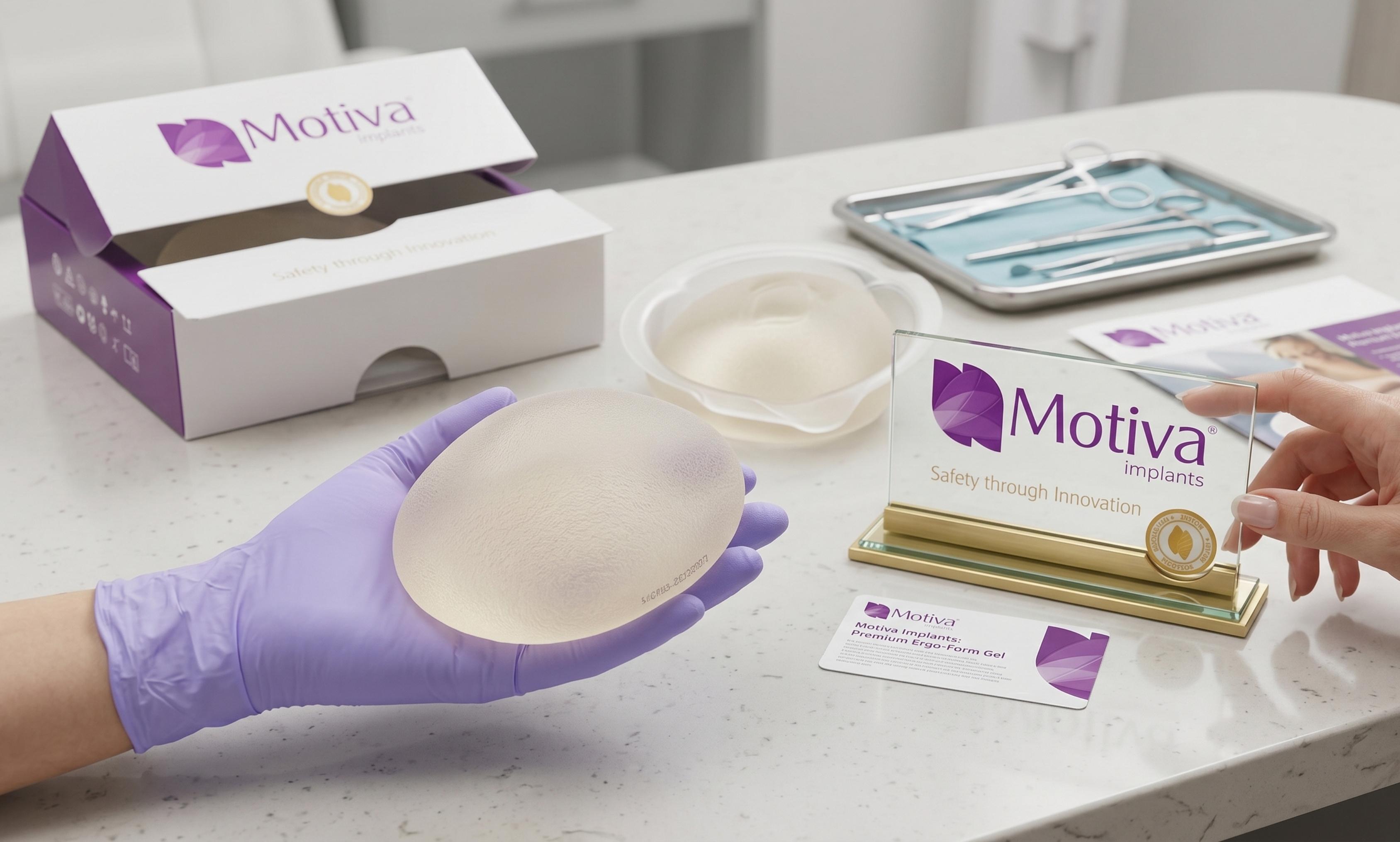
The device cost difference between Motiva and traditional silicone breast implants or saline implants is real but often overstated.
| Implant Type | Device Cost (per pair) | Total Surgery Range |
|---|---|---|
| Saline implants | ~$300 | $4,000 – $8,000 |
| Traditional silicone | ~$600 – $1000 | $4,500 – $10,000 |
| Motiva Round | $1,000 – $1,200 | $5,500 – $8,000 at Aestira |
| Motiva Ergonomix® | $1,200 – $1,400 | $6,000 – $8,000+ at Aestira |
The gap between traditional implants and Motiva breast implants at the device level is roughly $500 to $1,500 per pair. Over a 10-15 year horizon, that looks different when you factor in:
- Lower risk of capsular contracture with Motiva means a lower likelihood of revision surgery costs
- Unlike traditional implants, Motiva offers built-in non-invasive implant tracking, reducing future diagnostic costs
- Motiva’s warranty support may include implant replacement and, in some cases, financial assistance, but coverage depends on the specific implant issue, the timing of the event, and the applicable program terms.
For many patients, the upfront premium offsets against these long-term savings. It’s not just an implant cost. It’s a total cost of ownership question.
Motiva’s Warranty and Health Program
This is one of the most underrated parts of choosing Motiva breast implants, and most patients don’t find out about it until after surgery.
- Patients are automatically enrolled in the standard Motiva Health Program after implantation.
- Motiva Health Program Plus is an optional upgrade that requires completed registration and a $250 payment within 90 days of surgery.
- Implant replacement and financial assistance depend on the specific covered event, the timing of that event, and the patient’s program level.
- Because the benefit amount varies by issue, patients should review the official Motiva warranty terms and confirm coverage details with their surgeon’s office.
Financing Options and Making It Work
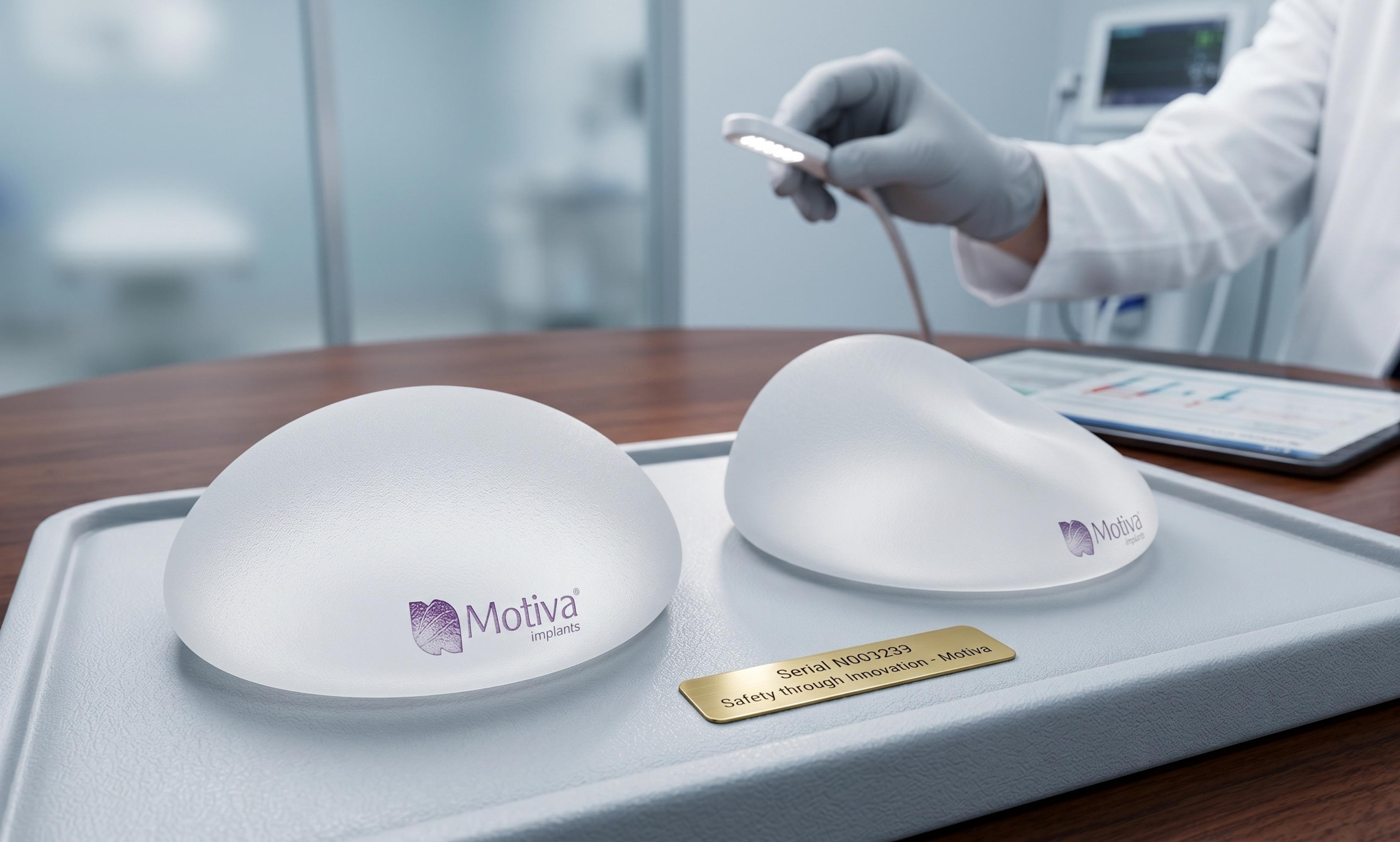
Motiva breast implants are a premium investment. Most patients don’t pay the full amount out-of-pocket on day one, and they shouldn’t have to.
At Aestira, we offer two trusted healthcare lending options:
CareCredit
One of the most widely used financing platforms in plastic surgery. CareCredit offers:
- Promotional periods with deferred interest (subject to approval)
- Flexible monthly payment plans based on your budget
- Accepted at thousands of practices nationally, including Aestira
- Apply online before your consultation to know your limit in advance
PatientFi
A financing platform built specifically for aesthetic procedures. PatientFi offers:
- Straightforward monthly payment plans
- No prepayment penalties
- Transparent terms with no hidden fees
- Often preferred by patients seeking simplicity over promotional rate structures
How to approach financing smart:
- Get your all-inclusive surgical quote before applying, so you know the exact amount to finance
- Compare monthly payment amounts across both platforms for your specific loan amount
- Factor in your recovery timeline. The first few weeks after surgery you won’t be working at full capacity if your role involves heavy lifting or physical demands
- Don’t finance more than you need. If Motiva Round delivers the aesthetic results you’re after, there’s no reason to stretch into Ergonomix pricing
Many patients combine a partial upfront payment with a financing plan to reduce their monthly obligation. Your dedicated patient concierge at Aestira will walk you through both options clearly during your consultation. You can also review our financing page before you come in.
One thing worth knowing: Breast augmentation surgery is considered a cosmetic procedure. Insurance does not cover primary breast augmentation. The only exception is breast reconstruction following mastectomy, where coverage varies by policy and provider. For purely aesthetic goals, budget planning through CareCredit or PatientFi is your most practical path forward.
What to Expect From Your Results Long-Term
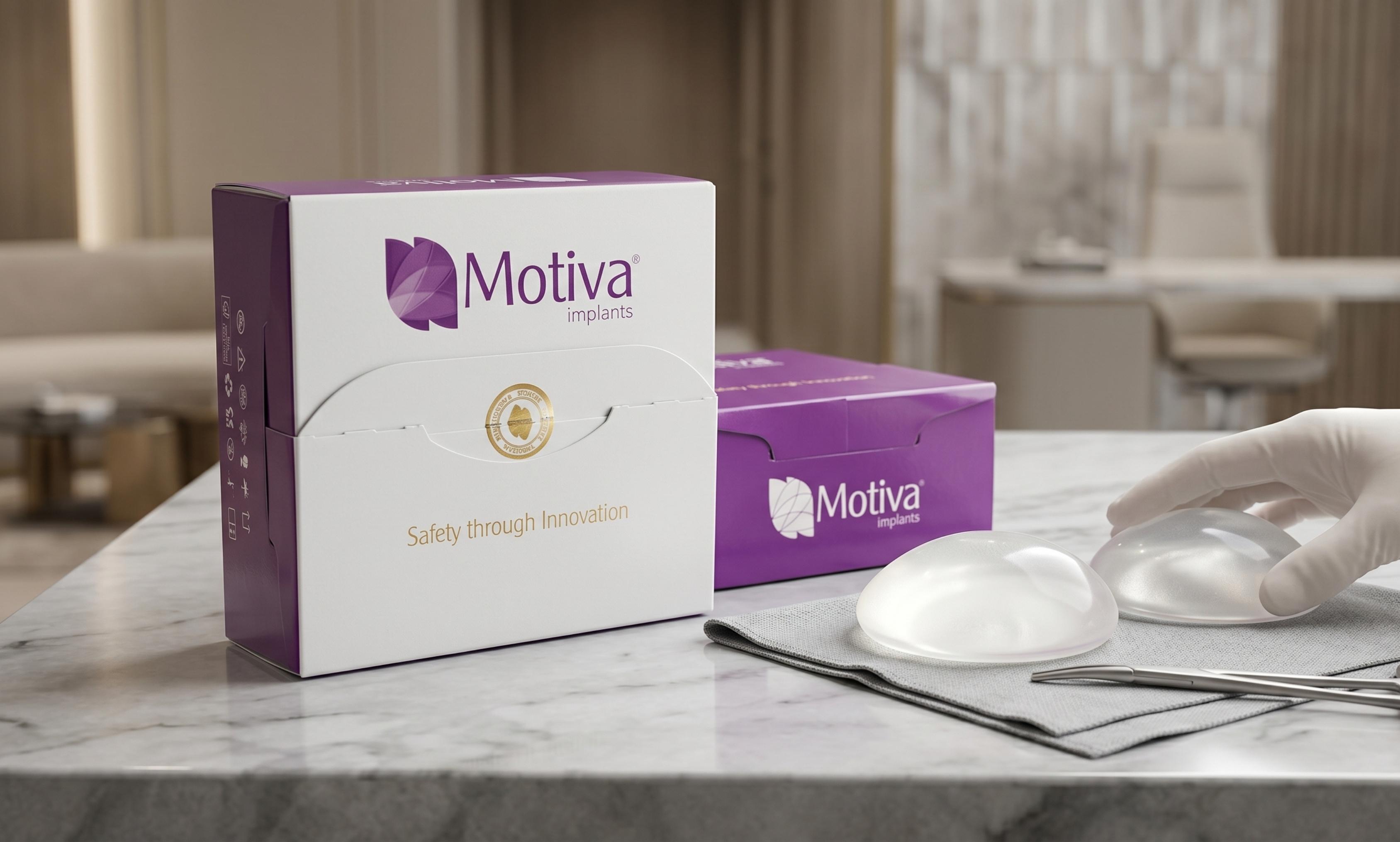
Getting the surgery right is step one. Keeping your results looking their best over time is step two. Most patients don’t think about the second part until years later.
Motiva breast implants offer a meaningful advantage here. The surface topography of silicone breast implants mediates the body’s foreign body response, enhancing biocompatibility and reducing inflammation, which improves both the safety and aesthetic results of breast augmentation over time. That’s not marketing language. It’s the mechanism behind why patients report fewer complications and a longer-lasting natural appearance compared to traditional options.
Here’s what long-term results actually depend on:
- Proper care post-surgery: Attending all follow-up appointments, avoiding heavy lifting during the recovery timeline, and following your surgeon’s guidance on returning to activity directly affects how your surrounding tissue heals around the implant
- Weight stability: Significant weight fluctuations after surgery affect breast size, breast tissue distribution, and how naturally your implants sit over time
- Cohesive gel technology: Motiva’s ProgressiveGel® is engineered to maintain its properties as the body’s movements change with age, unlike older generation implants, where gel integrity can degrade
- Implant placement precision: A correctly created pocket during surgery, with careful attention to minimize scarring and enhanced cleavage positioning, delivers more predictable long-term aesthetics
- Monitoring: All breast implants are not lifetime devices. The FDA recommends regular monitoring through ultrasound or MRI to assess implant integrity over time.
Patients report a significant improvement not just in natural appearance, but in confidence and comfort with their body’s movements, particularly with Motiva Ergonomix® models that shift between a teardrop shape when upright and a softer round shape when lying down.
One non-negotiable: Do not proceed with surgery if you have active infections anywhere in your body. Patient safety requires a clean bill of health before implant placement. Your medical history review at consultation exists precisely to catch these contraindications before they become complications.
For long-term safety and optimal results, choose Dr. Zeng at Aestira. Every surgical plan is built around your anatomy, your goals, and a recovery protocol designed to accelerate healing and reduce inflammation. Book your consultation and get a plan built specifically around you.
Get Your Motiva Investment Right With Aestira
Motiva implant cost isn’t a single number. It’s a sum of decisions: your implant type, your surgeon, your facility, and your long-term plan. Understanding every component before you commit puts you in a far stronger position than walking in blind.
Key takeaways:
- Total Motiva breast augmentation costs typically range from $6,000 to $17,000+ in the U.S.
- The device itself costs $1,000 to $14,000 per pair, a modest premium over traditional silicone breast implants
- Surgeon’s expertise, implant type, and combined procedures are the biggest price variables
- Motiva offers manufacturer-backed warranty support, but implant replacement and financial assistance vary by the specific issue, timing, and program level.
- CareCredit and PatientFi are the two financing options available at Aestira
- All breast implants are not lifetime devices; long-term monitoring is non-negotiable
- A $30 consultation at Aestira gets you a fully transparent, all-inclusive quote
Dr. Zeng builds every breast augmentation plan around your anatomy, aesthetic goals, and budget, with no hidden fees and no pressure. From your first conversation through your recovery protocol, every step is handled with the same intention. Book your consultation and get a number you can actually plan around.
FAQs
Are Motiva implants worth the extra cost?
For most patients, yes. Advanced technology, lower complication rates, and a natural look and feel deliver strong patient satisfaction, especially for body types with limited natural breast tissue coverage.
Are Motiva implants better than regular implants?
Motiva outperforms traditional silicone gel implants on early safety data and natural feel. A board-certified plastic surgeon will confirm which suits your anatomy and aesthetic goals best.
How often do Motiva implants need to be replaced?
No set replacement schedule exists. Monitor regularly with your board-certified plastic surgeon. Replacement is needed only if complications arise or implant integrity changes over time.
How long do Motiva breast implants last?
Motiva implants are designed to last 10-20 years with proper care. All breast implants carry potential risks and are not lifetime devices regardless of advanced technology used.
What is the cheapest type of breast implants?
Saline implants are the most affordable option. They use a simple silicone shell filled with sterile solution, but offer less natural look and feel than silicone gel alternatives.
Why are Motiva implants so good?
Motiva’s silicone gel adapts to body position for natural feel, smaller incisions minimize scarring, and SmoothSilk® surface significantly reduces capsular contracture risk compared to traditional implants.