
Most patients assume that once breast surgery is done, it stays done. The reality is more nuanced. Most women with breast implants will need some form of revision surgery during their lifetime, whether for elective or medically necessary reasons. The difference between a straightforward correction and a far more complex procedure often comes down to one thing: how early you catch the signs.
Here’s what this guide covers:
- The physical warning signs that something has changed with your implants
- Medical complications that require prompt attention
- Aesthetic reasons patients commonly seek revision
- When waiting makes things worse, and what the consequences look like
- How to choose the right surgeon for revision surgery
Our breast revision approach at Aestira is built around honest assessment and personalised surgical planning. Dr. Zeng specialises in cases where previous results need correction, refinement, or complete reconstruction. A $30 consultation is where that conversation starts.
Physical Warning Signs to Watch For
Your body communicates clearly when something has changed. The challenge is knowing which changes are normal settling and which ones signal a genuine problem.
Here are the physical signs most worth paying attention to:
Pain or Persistent Discomfort
Discomfort in the days after surgery is expected. Discomfort months or years later is not. Persistent pain or discomfort can indicate a number of issues requiring breast implant revision, including capsular contracture, damaged lymph nodes, a developing seroma, pinched nerves, or poor implant placement. If you have silicone implants, pain may also be a sign that your implant has ruptured or is leaking.
Any discomfort that disrupts daily life, keeps returning, or has changed in character since your initial surgery warrants a consultation with your surgeon.
Changes in Implant Shape or Position
Implant shape should remain stable after the initial settling period. Changes in implant shape usually occur asymmetrically, meaning in one breast or the other. Even if both implants change shape, they may not change in the same way. While this asymmetry is not medically risky, it can cause patients significant emotional distress.
Watch specifically for:
- One breast appearing higher or lower than the other
- The implant shell feeling different under the skin
- Visible rippling or wrinkling, particularly with saline implants or limited breast tissue coverage
- The implant appearing to sit lower than its original placement, a sign of bottoming out
Hardness Around the Implant
Capsular contracture occurs when the scar tissue that naturally forms around the implant becomes too tight, squeezing the implant and causing the breast to feel unusually hard, appear distorted, or become painful.
Capsular contracture is graded I through IV. Grades I and II are mild. Grades III and IV involve visibly distorted, firm, and often causing pain. The process does not resolve on its own and typically requires surgical intervention.
Visible Asymmetry
Some degree of natural asymmetry between breasts is normal. Sudden or progressive asymmetry after augmentation is different. Visible asymmetry, implant displacement, or rotation can affect the appearance and may necessitate surgical correction. If an implant appears lower than expected, or there is noticeable rippling, these changes could be due to implant migration or rupture.
Medical Complications Needing Prompt Attention

Some signs go beyond aesthetics. These require a timely medical evaluation rather than a routine follow-up visit.
Implant Rupture
Rupture occurs differently depending on implant type, and the detection process differs, too.
- Saline implant ruptures are immediately obvious. When the implant shell fails, the sterile saline solution inside absorbs harmlessly into the body. The affected breast deflates noticeably within hours. Detection requires no MRI. The change is visible.
- Silicone implant ruptures are far more subtle. Most silicone implant ruptures are without symptoms, known as “silent ruptures.” A silent rupture usually does not change the way an implant looks or feels, and your surgeon may not be able to detect it by physical examination alone. MRI is the most effective method for detecting silent rupture of silicone gel-filled breast implants, and ultrasound is also an FDA-recognized screening option for asymptomatic patients.For patients without symptoms, the FDA recommends periodic imaging with ultrasound or MRI to screen for silicone implant rupture. If you have symptoms at any time, or if an ultrasound result is unclear, MRI is typically recommended for further evaluation.
Occasionally, when a silicone gel-filled implant ruptures, you may notice a decrease in breast size, a change in implant shape, hard lumps over the implant or chest area, an uneven appearance of the breasts, pain or tenderness, tingling, swelling, numbness, burning, or changes in sensation.
Do not delay seeking evaluation if you notice any of these. A ruptured implant left unaddressed risks infection and progressive scar tissue formation around the implant.
Capsular Contracture Progression
There are four grades of capsular contracture, ranging from normal to severe. Grade I is asymptomatic. Grade II has only minor cosmetic symptoms. Grades III and IV cause hard, misshapen, and overly round breasts that look and feel unnatural.
Grade III and IV capsular contracture requires surgical correction through capsulectomy, implant removal, and, typically, implant replacement. Waiting on Grade III or IV does not improve outcomes. It increases surgical complexity.
Developing Seroma or Infection
A developing seroma, fluid accumulation around the implant pocket, and infection are both post-surgical complications that require prompt medical attention. Medical concerns such as unexplained swelling, lumps, or skin discoloration may suggest more serious complications, including implant rupture or infection.
If you notice swelling that appears after the normal recovery window has passed, warmth or redness over the chest, or any unusual discharge near incision sites, contact your surgeon immediately. Do not wait for your next scheduled follow-up visits.
BIA-ALCL
Breast implant-associated anaplastic large cell lymphoma is rare but real. If you experience any symptoms of BIA-ALCL, such as persistent swelling or pain around your breast implant, talk to your surgeon about the need for further evaluation. Evaluation typically involves a physical exam, imaging, and assessment of the fluid or tissue around the implant.
Early detection significantly improves outcomes for this condition.
Aesthetic Reasons Patients Seek Revision

Not every breast implant revision is medically driven. A significant portion of revision procedures are elected because goals have simply changed. This is more common than many patients realise, and there is nothing wrong with it.
Common aesthetic reasons include:
- Implant size dissatisfaction: Wanting to move to smaller implants for a more proportionate, natural-looking result, or upsizing to better match body changes after weight fluctuations or pregnancy
- Shape preferences shift: Many patients who chose a rounder, more projected implant shape years ago now prefer subtler, more natural-looking results that better match current aesthetics
- Asymmetry correction: One breast may have healed or settled differently, resulting in visible size or position differences between the two sides
- Skin elasticity changes: As skin elasticity naturally decreases with age, implants that once sat well may begin to show implant shape changes or increased rippling through thinning tissue
- Scar revision: Incision lines can become more visible over time due to skin changes at the original placement site, prompting secondary surgery to address them
- Switching implant type: Moving from saline implants to silicone, or from traditional silicone to advanced options like Motiva, to improve natural feel and movement
- Animation deformity: This happens when the implant moves up and down or visibly distorts with pectoralis muscle activation, most often during exercise, chest flexing, or pushing movements
- Implant displacement: Some implants move too freely within the breast pocket, shifting downward or off to the side of the chest and creating an unstable or unnatural appearance
Current aesthetic goals matter. They are as valid a reason for revision as any medical complication. The key is being clear about your desired outcome before consulting a surgeon, so your breast revision surgical plan is built around a realistic, shared vision.
When Waiting Makes Things Worse
This is the part most patients wish they had read earlier. Delay in addressing breast implant complications is one of the most common reasons revision surgery becomes more complex and more costly.
Here is what happens when the most common issues are left unaddressed:
| Complication | What Happens If You Wait |
|---|---|
| Capsular contracture Grade III/IV | Scar tissue hardens progressively; implant removal becomes more invasive; tissue damage to the breast pocket increases |
| Implant rupture (silicone) | Silicone migration into surrounding tissue occurs; extracting dispersed silicone is significantly harder than replacing an intact implant |
| Implant displacement or malposition | The implant pocket stretches further out of position; correcting an enlarged or distorted pocket requires more reconstruction |
| Bottoming out | Progressive descent below the inframammary fold; the longer it continues, the weaker the tissue becomes, reducing the effectiveness of revision outcomes |
| Developing seroma | Fluid accumulation creates pressure; risk of infection increases; in rare cases, persistent seroma has been associated with BIA-ALCL |
| Infection | Untreated infection around the implant almost always leads to implant removal; reinfection risk rises with delayed intervention |
Unlike a first-time breast augmentation, revision surgery presents unique challenges. The process often involves working with existing scar tissue, previously altered implant pockets, and changes in skin elasticity. These factors make revision surgery more technically demanding.
The longer complications are left unaddressed, the more compromised the tissue around the implant becomes, and the harder it is for even the most skilled surgeon to achieve the desired outcome. Earlier consultation consistently produces better outcomes, shorter recovery, and a cleaner surgical process.
Our how to speed recovery after surgery guide is worth reading if you are approaching revision, as recovery time differs from primary breast augmentation.
How to Choose the Right Surgeon for Revision
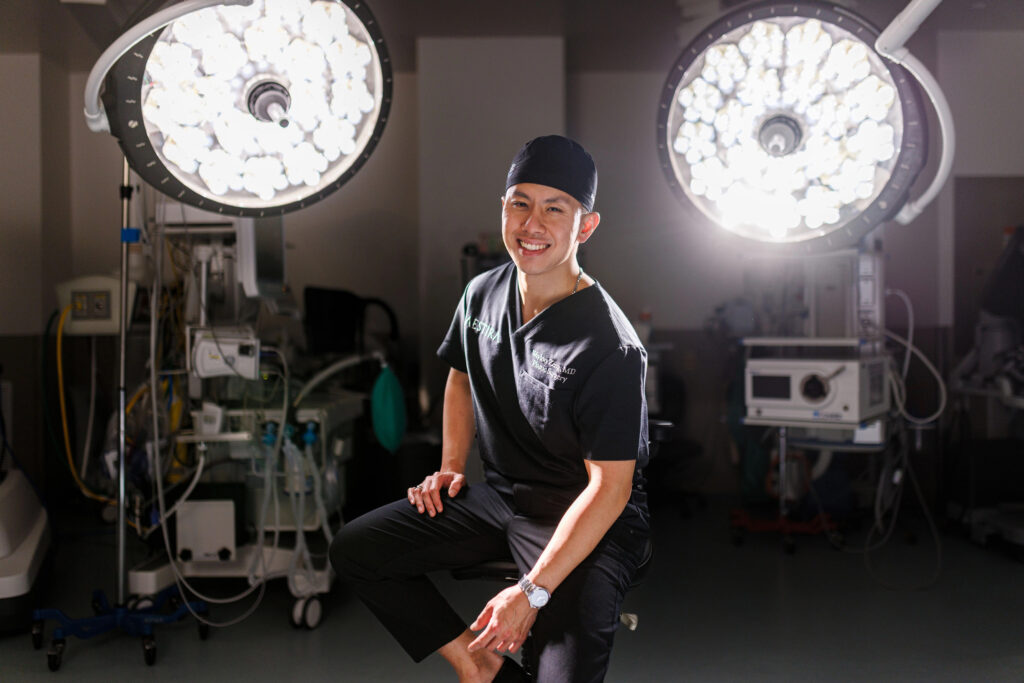
Breast implant revision is more technically demanding than primary breast augmentation. Choosing the right surgeon is not the same decision twice.
Here is what specifically matters for revision cases:
Revision-Specific Experience
Previous breast surgeries create a different surgical environment. Scar tissue alters tissue planes. The implant pocket may be compromised. The chest wall may have changed. Ask your surgeon how many breast implant revision procedures they perform annually, and whether they manage complex cases involving capsular contracture, implant malposition, and poor implant placement from previous surgeries.
Transparent Surgical Planning
A trustworthy revision surgeon explains the full process clearly, including what they find during consultation, what the surgical plan addresses, what the realistic outcome looks like given your tissue quality, and what options exist if the primary plan needs adjustment. Vague answers to direct questions about implant shape, implant pocket correction, or scar tissue management are a warning sign.
Integrated Recovery Support
Recovery from breast implant revision is not identical to recovering from a first augmentation. Ask specifically what post-operative support is included. At Aestira, our wellness recovery protocols, biostimulation therapies, and holistic optimization are built into every surgical plan, including revision cases, because how you recover directly shapes your final outcome.
Financing Availability
Revision surgery typically costs between $8,000 and $16,000, depending on complexity. Ask upfront whether CareCredit or PatientFi financing options are available so you can plan accurately before committing to a surgical date.
Dr. Zeng at Aestira approaches every breast revision with the same standard of care as a primary procedure. Your consultation starts at $30. Book yours here to get an honest assessment of what your situation requires and what the path forward looks like.
Spot the Signs Early. Get It Right With Aestira.
Breast implant revision is rarely a surprise when you know what to watch for. The signs are usually there well before a situation becomes urgent. Catching them early is what separates a straightforward correction from a far more complex, costly process.
Key takeaways:
- Persistent pain, hardness around the implant, and asymmetry are the most common physical warning signs
- Silicone implant ruptures are often silent and may be screened with ultrasound or MRI, with MRI remaining the most effective test when rupture is suspected
- Capsular contracture Grades III and IV require surgical correction and worsen without intervention
- Aesthetic reasons for revision are just as valid as medical ones
- Delaying revision consistently increases surgical complexity and compromises tissue quality
- Revision surgery demands a surgeon with specific experience in previous breast surgeries, not just primary augmentation
- Earlier consultation produces better outcomes, cleaner surgery, and faster recovery
Dr. Zeng specialises in complex breast revision cases at Aestira, where every plan accounts for your existing tissue, surgical history, and long-term goals. Our integrated wellness protocols support your recovery from day one. A $30 consultation gives you a clear, honest picture of what your situation actually requires.
FAQs
How do you know if you need a breast revision?
Key signs include persistent pain, hardness where the implant tightens, asymmetry, unnatural appearance, or visible shape changes. A plastic surgery consultation confirms whether implants need to be replaced.
What is the 45-55 breast rule?
It refers to ideal breast proportion: 45% volume above the nipple, 55% below. A significant amount of deviation from this ratio often signals implant malposition or breast shape concerns worth reviewing.
What are Ozempic breasts?
Rapid weight loss from GLP-1 medications like Ozempic causes a significant amount of volume loss in breast tissue, often resulting in sagging, deflation, and unnatural appearance that plastic surgery can address.
What qualifies you for revision surgery?
Capsular contracture, where the implant tightens, implant rupture, implant malposition, unnatural appearance, or changes affecting health and breast shape all qualify. A plastic surgeon assesses candidacy during consultation.
Can breast implants last a lifetime?
No. Breast implants are not lifetime devices. Most need to be replaced within 10 to 20 years. Ongoing plastic surgery monitoring protects long-term health and aesthetic outcomes.
Is breast revision surgery covered by insurance?
Rarely. Insurance covers revision only when medically necessary, such as a documented rupture affecting health. Cosmetic concerns, unnatural appearance, or breast shape corrections are typically considered elective plastic surgery procedures.