
Your nose tells a story. It carries generations of heritage, culture, and identity in its shape. So when you’re considering changing it, the decision feels heavier than a typical cosmetic procedure. Approximately 74% of rhinoplasty patients are white, and applying Caucasian rhinoplasty guidelines to non-Caucasian patients can result in breathing issues and an increased risk of revision surgeries.
This guide walks you through everything you need to weigh before making a decision.
In this article, we cover:
- What ethnic rhinoplasty actually is and how it differs from traditional nose jobs
- Questions to ask yourself before booking a consultation
- How to preserve your heritage while achieving the look you want
- Red flags to watch for when choosing a surgeon
- Recovery expectations and realistic timelines
- Costs and financing options
At Aestira in Miami, Dr. Waylon Zeng specializes in ethnic and gender-specific rhinoplasty with a focus on preserving natural beauty. His approach honors your heritage while addressing your aesthetic goals through personalized surgical plans.
What Ethnic Rhinoplasty Actually Is
Ethnic rhinoplasty is nose surgery designed to reshape or refine your nose while preserving your cultural features. The goal is to maintain your natural ethnic features while refining the shape of your nose for better balance and proportion. The result should look natural, not like someone else’s nose.
Traditional rhinoplasty techniques were developed with Caucasian facial structures in mind. That one-size-fits-all approach? It doesn’t work for everyone. Since 2000, the number of ethnic rhinoplasty procedures has more than doubled.
How It Differs from Traditional Rhinoplasty
| Factor | Traditional Rhinoplasty | Ethnic Rhinoplasty |
|---|---|---|
| Approach | Reduction-focused | Often augmentation-focused |
| Goal | Reshape the nose | Reshape while honoring heritage |
| Techniques | Standard methods | Specialized grafting, projection work |
| Skin Considerations | Thinner skin assumed | Accounts for thicker skin types |
Common Concerns It Addresses
Ethnic rhinoplasty can correct a range of issues depending on your background:
- Wider nasal bridges common in African, Asian, and Hispanic patients
- Bulbous or undefined tips that lack definition
- Flat profiles that benefit from bridge augmentation
- Flared nostrils requiring subtle narrowing
- Dorsal humps often seen in Middle Eastern noses
Factors such as skin thickness, bone density, nostril size and placement, and nasal bridge length must be considered when performing this highly customized surgery.
This is where surgeon selection becomes critical. At Aestira, Dr. Waylon Zeng brings specialized training in ethnic and gender-specific nuances, creating surgical plans that enhance your features without erasing what makes your face yours.
Questions to Ask Yourself First
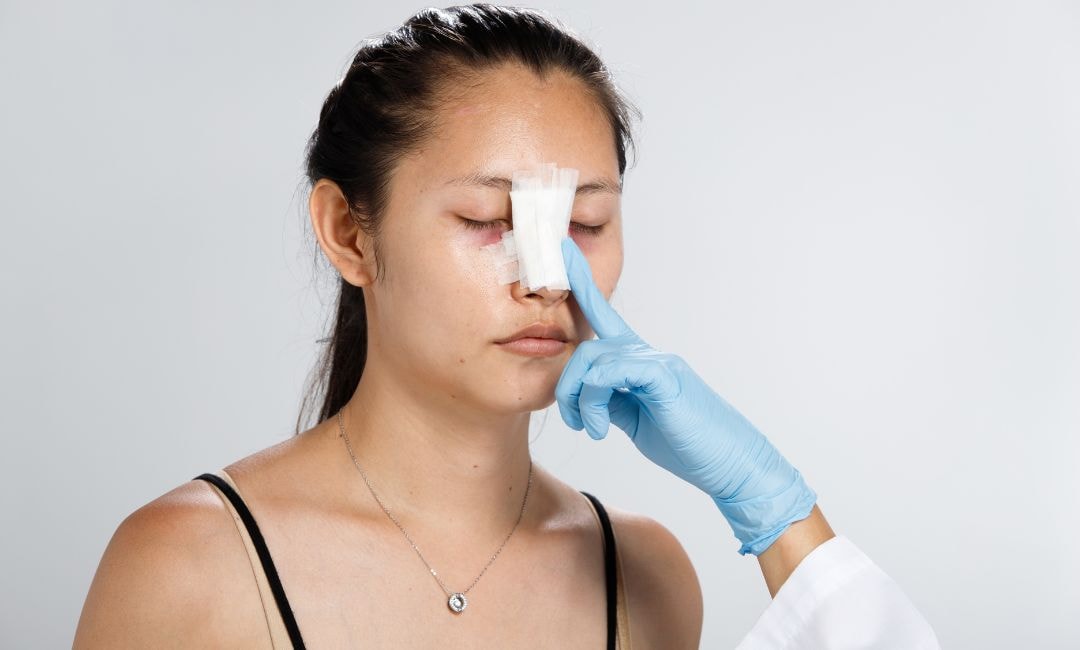
Before you book an ethnic rhinoplasty consultation, pause. This is a surgical procedure that will change your face permanently. You need clarity on why you want this and what you expect from it.
Self-Reflection Checklist
Ask yourself these questions honestly:
- Why do I want to change my nose? Is this decision coming from you or from external pressure?
- What specific features bother me? A prominent nasal bridge? Wide nostrils? A bulbous nasal tip?
- Am I seeking refinement or transformation? Many ethnic rhinoplasty patients want subtle changes, not a completely different nose shape.
- Do I have realistic expectations? Your nose must fit your unique facial features and facial structure.
- Am I emotionally ready for recovery? The healing process takes months. Patience is non-negotiable.
Questions for Your Surgeon
During your ethnic rhinoplasty consultation, come prepared. A skilled plastic surgeon welcomes questions. Here’s what to ask:
- Are you a board–certified plastic surgeon with specialized training in ethnic rhinoplasty surgery?
- How many ethnic nose job procedures have you performed on patients from my cultural background?
- Can I see before-and-after photos of patients with similar nasal features?
- What specialized techniques will you use for my skin thickness and nasal structure?
- What’s your revision rhinoplasty rate?
If the surgeon cannot show you examples of African American rhinoplasty, Asian rhinoplasty, or procedures on Hispanic patients and Middle Eastern patients that match your ethnic background.
Preserving Heritage While Achieving Results
The best ethnic rhinoplasty results don’t erase your cultural identity. They refine it.
Most non-White patients today wish to preserve their heritage and identity. Younger patients desire a more “natural” nasal appearance regardless of their background. The goal is facial harmony, not facial transformation.
What Preservation Looks Like
Preserving cultural heritage during ethnic nose surgery means:
- Maintaining proportions that complement your other ethnic features
- Avoiding over-reduction that creates an artificial look
- Respecting your nasal bones and natural facial structure
- Using specialized surgical techniques like cartilage grafting to add support rather than simply removing tissue
| Ethnicity | Common Goals | Preservation Focus |
|---|---|---|
| African American | Bridge definition, tip deprojection | Modest narrowing of the nasal base |
| Asian | Bridge augmentation, tip projection | Keep natural harmony with flatter nasal bridge characteristics |
| Middle Eastern | Hump reduction, tip rotation | Preserve a strong profile, avoid overly small results |
| Hispanic | Tip refinement, nostril narrowing | Balance with broader facial features |
How to Communicate Your Goals
Be specific during your consultation. Bring reference photos of noses you admire, but choose images of people from similar ethnic backgrounds. Tell your surgeon what you want to keep just as clearly as what you want to change.
At Aestira, Dr. Waylon Zeng takes this conversation seriously. His surgical plans are custom-designed with special attention to ethnic and gender nuances, ensuring your natural beauty stays intact while addressing your concerns.
Red Flags When Choosing a Surgeon

Not every plastic surgeon should perform ethnic rhinoplasty. This is a specialized procedure requiring a deep understanding of diverse ethnic backgrounds, different ethnic groups, and varying nasal anatomy across ethnicities.
Warning Signs to Walk Away From
🚩 No before-and-after photos of patients from your ethnic background: If their portfolio only shows one type of nose, they lack experience with ethnic anatomy.
🚩 One-size-fits-all approach: 15% of all rhinoplasties will have to be redone. Non-Caucasian rhinoplasty patients are at greater risk of needing revision rhinoplasty because their surgeon wasn’t well-versed or properly trained in ethnic rhinoplasty techniques.
🚩 No board certification: Always verify your surgeon is a board-certified plastic surgeon through the American Board of Plastic Surgery or the American Board of Facial Plastic and Reconstructive Surgery. Be cautious of surgeons who are only “board-eligible,” as this means they have not yet completed the full certification process and passed all required examinations.
🚩 Dismisses cultural sensitivity: Your patient’s ethnic background matters. If the surgeon doesn’t ask about your aesthetic preferences related to your cultural heritage, find someone who does.
🚩 Promises dramatic transformation: Expert ethnic rhinoplasty surgeons focus on subtle refinement. Overpromising leads to unnatural ethnic rhinoplasty results.
🚩 Rushes the consultation: A thorough ethnic rhinoplasty consultation should include facial analysis, discussion of specialized techniques, and realistic outcome expectations.
What to Look For Instead
✅ A board certification in facial plastic surgery and head and neck surgery
✅ Comprehensive experience with patients from different ethnic backgrounds
✅ Portfolio showing natural-looking results across diverse ethnic groups
✅ Discusses cartilage grafting and other specialized techniques specific to your needs
✅ Takes time to understand your cultural background and aesthetic goals
Recovery: What to Actually Expect
Ethnic rhinoplasty recovery follows a similar timeline to traditional rhinoplasty, but there’s an important caveat: patients with ethnic noses, including those of Middle Eastern, African, Asian, or Hispanic descent, may have thicker skin, different cartilage structures, or unique healing patterns that can influence the recovery process. Thicker nasal skin tends to retain swelling for longer.
Recovery Timeline
| Timeframe | What to Expect |
|---|---|
| Week 1 | Significant swelling, bruising around the eyes, splint in place. Rest is critical. |
| Week 2 | Splint removed, bruising fades, most people feel comfortable in public |
| Weeks 3-4 | Return to work and light activities. Avoid strenuous exercise. |
| Months 1-3 | Visible swelling decreases. Nose shape becomes more defined. |
| Months 3-6 | Subtle refinement continues. Most swelling resolved. |
| Month 12 | Final ethnic rhinoplasty results visible. Nasal tip fully refined. |
Key Recovery Tips
- Sleep elevated for at least two weeks to minimize swelling
- Avoid blowing your nose for several weeks post-surgery
- Skip glasses that rest on your nasal bridge for 4-6 weeks
- Stay out of the sun to prevent hyperpigmentation, especially important for darker skin tones
- Be patient with the nasal tip, which is the slowest area to show final results
Aestira takes recovery seriously. Our integrative wellness protocols, including nutritional guidance and biostimulation therapies, are designed to accelerate the healing process and decrease inflammation so you see your desired shape sooner.
Costs and Financing Options

Ethnic rhinoplasty cost varies widely based on surgeon expertise, geographic location, and procedure complexity.
Average Cost Breakdown
The national average cost for ethnic rhinoplasty is $8,224, ranging from $6,518 to $14,898. In major metropolitan areas like Miami, New York, or Los Angeles, expect the higher end of this range.
| Cost Component | Typical Range |
|---|---|
| Surgeon’s fee | $7,000 – $20,000+ |
| Anesthesia | $800 – $2,000 |
| Facility fees | $800 – $3,000 |
| Pre/post-op care | $500 – $1,500 |
| Total | $9,000 – $26,000+ |
Why the wide range? Ethnic rhinoplasty often requires more complex work than traditional rhinoplasty. Cartilage grafting, specialized techniques for thicker skin, and the expertise required to preserve ethnic characteristics all factor into pricing.
What Affects Your Price
- Surgeon’s experience with ethnic nose surgery
- Complexity of your specific case
- Open vs. closed technique used
- Need for cartilage grafting from the ear or rib
- Geographic location of the practice
- The need for borrowed frozen cartilage can raise pricing
Financing Options
Many plastic surgeons offer patient financing plans for rhinoplasty. Common options include:
- CareCredit – Healthcare credit card with promotional 0% interest periods (6-24 months)
- PatientFi Credit – Similar financing with flexible payment terms
- In-house payment plans – Some practices offer direct financing
- HSA/FSA funds – May cover functional components if breathing difficulties are documented
Insurance Considerations
Cosmetic rhinoplasty surgery isn’t covered by insurance. Period.
But if you have breathing difficulties caused by structural issues like a deviated septum, the functional portion of your nose job surgery may qualify for coverage. Document your symptoms thoroughly and discuss them with your surgeon during consultation.
At Aestira, the team understands that ethnic rhinoplasty is an investment in yourself. We offer financing options and can guide you through the process of determining what, if any, insurance coverage might apply to your case.
Ethnic Rhinoplasty Done Right at Aestira
Deciding whether to get plastic surgery on your ethnic nose is deeply personal. It requires honest self-reflection, thorough research, and finding a surgeon who genuinely understands what makes your face yours. The right procedure enhances your features. The wrong one erases them.
Key takeaways:
- Ethnic rhinoplasty preserves your cultural identity while refining your nose shape
- Traditional rhinoplasty techniques often fail patients from different ethnic backgrounds
- Thicker skin, unique nasal structures, and varying healing patterns require specialized surgical techniques
- Always choose a board-certified plastic surgeon with proven experience in your specific ethnicity
- Recovery takes up to 12 months for final results, longer for patients with thicker nasal skin
- Costs range from $8,000 to $26,000+ depending on complexity and location
- Red flags include cookie-cutter portfolios, rushed consultations, and promises of dramatic transformation
At Aestira in Miami, Dr. Waylon Zeng brings the rare combination of surgical precision and cultural sensitivity that ethnic rhinoplasty demands. His custom approach honors ethnic and gender-specific nuances while their wellness protocols support faster healing. When you’re ready to explore what’s possible, Aestira’s concierge team is ready to guide you.
FAQs
Does ethnicity affect nose shape?
Yes. Nasal structure varies significantly across ethnic groups due to genetics, climate adaptation, and hereditary traits. African and Asian patients often have thicker skin and wider nasal bases, while Middle Eastern noses frequently feature a prominent nasal bridge. These unique characteristics require specialized approaches during nasal surgery to achieve natural results while preserving cultural identity.
What happens 20 years after rhinoplasty?
Your nose continues to age naturally after rhinoplasty, just like the rest of your face. Skin texture may change, cartilage can shift slightly, and scar tissue may soften over time. Well-performed ethnic rhinoplasty by the best rhinoplasty surgeons maintains its shape long-term, though minor refinements in the nasal tip are normal with aging.
Which ethnicity gets the most plastic surgery?
Caucasians account for approximately 66% of cosmetic procedures in the U.S. Asian rhinoplasty patients and Hispanic patients are the fastest-growing demographics seeking ethnic nose surgery. Importantly, more patients from diverse backgrounds now seek procedures that honor their ethnic identity rather than erase it.
How much does an ethnic rhinoplasty cost?
Ethnic rhinoplasty typically costs between $8,000 and $26,000, depending on the surgeon’s expertise, geographic location, and case complexity. Renowned centers and specialists in major cities charge premium rates. The investment reflects the specialized techniques required to address the unique characteristics of different ethnic noses while preserving cultural identity.