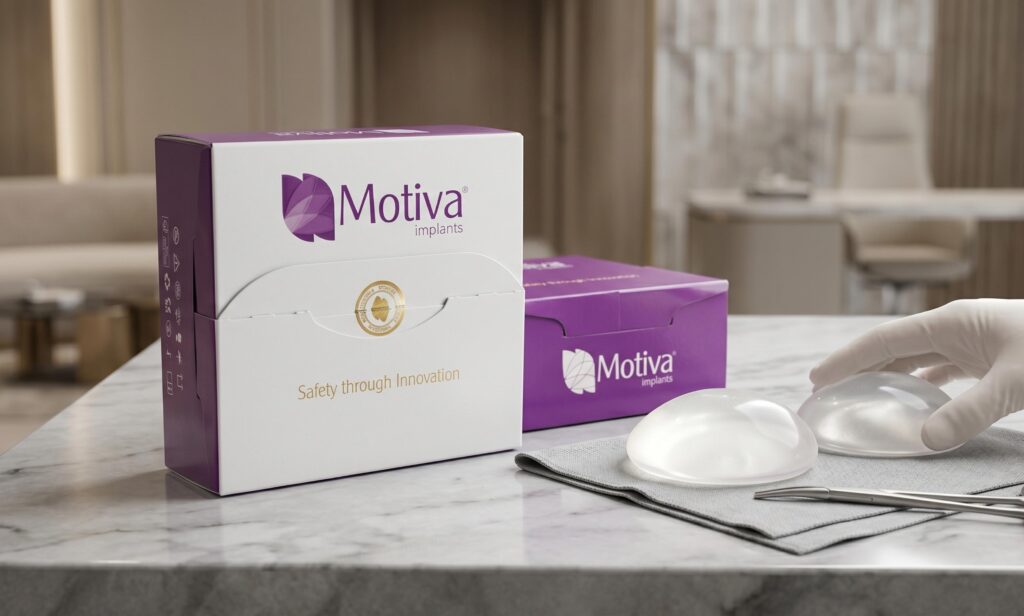
Breast implants haven’t looked or felt the same for the past decade. Most patients comparing options are still working from outdated information, weighing saline against silicone as if those are still the only two choices on the table. They’re not. Motiva breast implants received U.S. FDA approval in 2024, and the conversation around implant technology shifted significantly since then.
Here’s what this guide covers:
- What makes Motiva implants structurally different from traditional options
- How they compare in feel, movement, and natural appearance
- Safety profiles, complication rates, and what the research actually says
- Cost differences and whether the upgrade is financially justified
- Which implant type fits which patient, and why there’s no universal answer
We offer breast augmentation at Aestira using the most advanced implant technologies available, including Motiva. Dr. Zeng selects implants based on your anatomy, goals, and long-term outcomes, not trends. If you’re weighing your options, start with a consultation.
TL;DR: Full Comparison of Motiva vs Traditional Implants
| Category | Saline Implants | Traditional Silicone Implants | Motiva Round | Motiva Ergonomix® |
|---|---|---|---|---|
| Fill material | Sterile salt water | Cohesive silicone gel | ProgressiveGel® Plus | ProgressiveGel® Ultima |
| Shell surface | Smooth or textured | Smooth or traditional textured | SmoothSilk® nanosurface | SmoothSilk® nanosurface |
| Shell design | Single layer | Single layer | TrueMonobloc® multi-layer | TrueMonobloc® multi-layer |
| Natural feel | Firmer, less natural | Good natural feel | Soft, natural feel | Most natural feel available |
| Natural movement | Limited | Moderate | Good | Excellent; adapts to body position |
| Shape at rest | Fixed round | Fixed round | Round with natural drape | Teardrop shape when upright |
| Shape lying down | Round | Round | Rounder, fuller | Shifts like real breast tissue |
| Upper pole fullness | High | Moderate to high | High when upright | Lower; prioritises natural drape |
| Visible rippling risk | Higher, especially in thin women | Moderate | Low | Very low |
| Animation deformity risk | Moderate | Moderate to high | Low | Very low |
| Capsular contracture rate | ~10-15% reported | ~10.6% average reported | Below 2% in clinical trials | Below 1% in clinical trials |
| BIA-ALCL risk | Linked to textured versions | Linked to traditional textured implants | Zero confirmed cases | Zero confirmed cases |
| Tissue integration | Standard | Standard | Enhanced biocompatibility | Enhanced biocompatibility |
| Rupture detection | Immediate deflation | Requires MRI monitoring | BluSeal® visual indicator | BluSeal® visual indicator |
| Implant tracking | Manual records | Manual records | Q Inside™ chip available | Q Inside™ chip available |
| Incision size | Smaller (filled post-insertion) | Moderate to larger | Smaller incisions possible | Smaller incisions possible |
| Placement options | Submuscular, subfascial | Submuscular, subfascial | Submuscular, subfascial | Submuscular, subfascial |
| Best for | Adequate natural breast tissue, budget-conscious | Good coverage, reliable results | Upper pole fullness seekers | Most natural look and movement |
| Ideal patient | Good existing breast tissue, any body type | Most body types with adequate coverage | Patients seeking defined upper breast fullness | Thin women, active patients, natural aesthetic goals |
| Quicker recovery | Standard | Standard | Yes, with less tissue trauma | Yes, with less tissue trauma |
| Long-term data | Decades available | Decades available | 5-year FDA trial data | 5-year FDA trial data |
| Breast health monitoring | Annual check-ups | MRI every 2-3 years | Non-invasive verification | Non-invasive verification |
| FDA approval status | Long-standing approval | Long-standing approval | Approved 2023 (U.S.) | Approved 2023 (U.S.) |
| Established labs | Allergan, Mentor, Sientra | Allergan, Mentor, Sientra | Establishment Labs | Establishment Labs |
| Cost range (approx.) | Lower | Moderate | Premium | Premium to highest |
| Revision likelihood | Moderate | Moderate | Lower | Lower |
What Makes Motiva Structurally Different
Traditional implants and Motiva implants are both silicone-based. That’s where the similarity ends.
Since the first breast implant was introduced over 60 years ago, breast augmentation has evolved dramatically. Establishment Labs, the manufacturer of Motiva implants, became the first global medical technology company to introduce a new implant to the U.S. market in over a decade. That context matters. This isn’t a minor tweak to an existing product. It’s a structural rethink.
Here’s how the two stack up at the engineering level:
| Feature | Traditional Implants | Motiva Implants |
|---|---|---|
| Shell surface | Smooth or traditional textured | SmoothSilk® nanosurface |
| Fill material | Saline (sterile salt water) or cohesive silicone gel | ProgressiveGel® or ProgressiveGel Ultima® |
| Shell design | Single-layer implant shell | TrueMonobloc® multi-layer barrier |
| Leak indicator | None | BluSeal® visible barrier layer |
| Implant tracking | Manual records only | Q Inside™ non-invasive verification chip |
| Shape adaptability | Fixed round or teardrop shape | Adapts to body position dynamically |
The Shell
The most significant difference lies in Motiva’s multi-layered shell barrier system, which uses advanced polymers to create an implant shell that’s both stronger and more flexible than traditional designs. This enhanced barrier technology reduces silicone gel diffusion by over 95% compared to older generation implants.
The Gel
Traditional silicone gel implants use cohesive silicone gel that holds its shape well but moves as a single, somewhat fixed mass. Motiva’s ProgressiveGel® is engineered with different viscosity ratios depending on the model, allowing it to behave more like natural breast tissue under movement and pressure.
The Surface
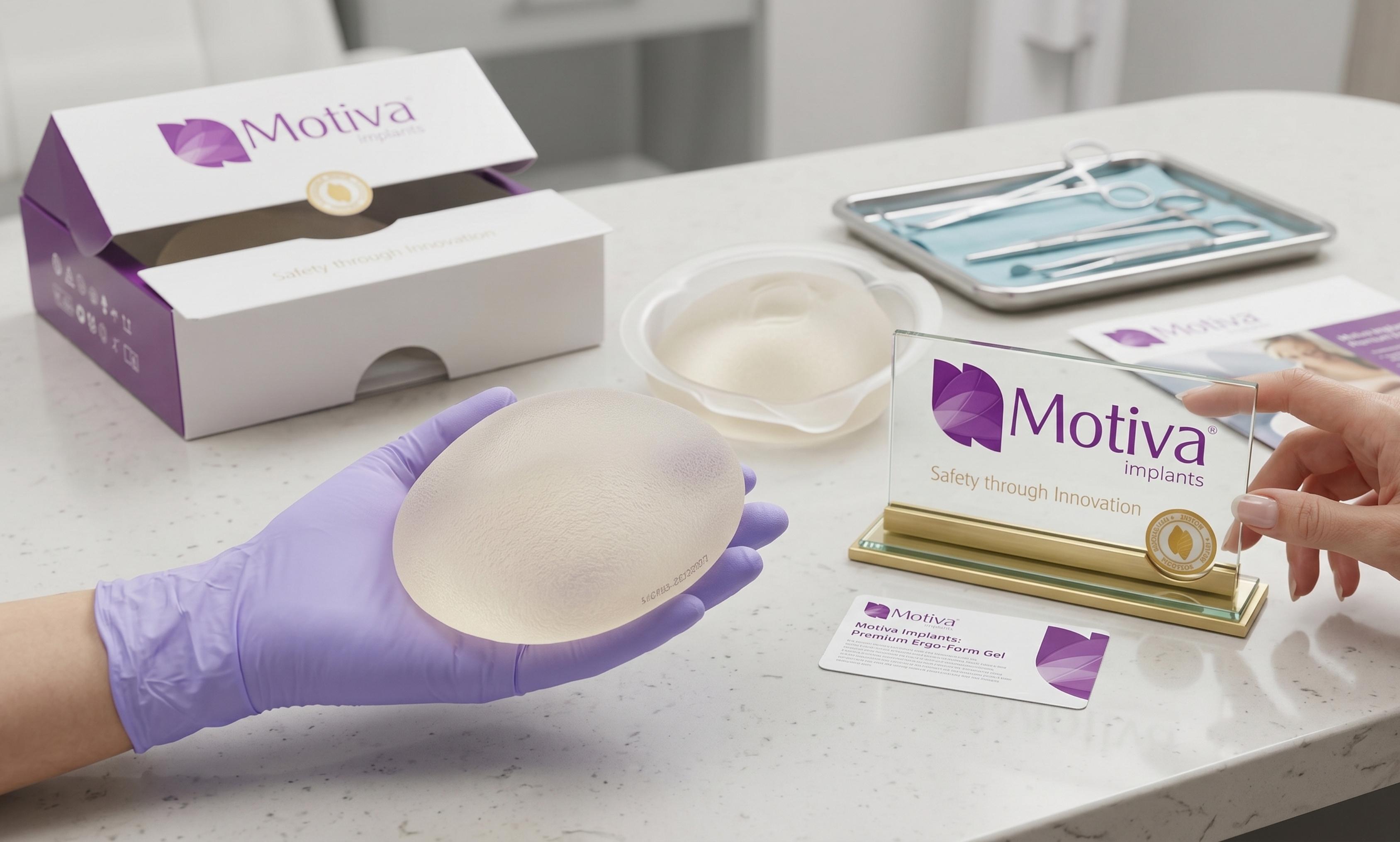
Motiva created an innovative nanosurface called SmoothSilk®. It feels smooth to the touch but has microscopic texturing designed for better biocompatibility. This surface has been shown to cause less inflammation than traditional smooth or traditional textured implants. After millions of implants placed worldwide, there have been zero confirmed cases of BIA-ALCL linked to Motiva’s SmoothSilk® surface.
Pro tip: The BluSeal® layer is a visible blue-tinted outer barrier that lets your plastic surgeon visually confirm the implant’s integrity before it’s placed. Traditional implants have no equivalent feature.
Feel, Movement, and Natural Appearance
This is what most patients actually want to know. And it’s where the difference is most noticeable day-to-day.
Traditional silicone implants offer a good natural feel, especially compared to saline implants. But they maintain a relatively fixed round shape regardless of body position. They may occasionally show visible rippling, especially in patients with thin tissue. For thin women with minimal surrounding tissue or limited natural breast tissue, this can be a real concern.
Motiva’s Ergonomix® models work differently. They adapt their shape based on body position, creating a teardrop shape when standing and a rounder, fuller form when lying down, mimicking the natural movement of real breast tissue more effectively than traditional implants.
What this means practically:
- Standing: Natural drape and a soft teardrop shape, not a fixed round projection
- Lying down: Fuller, more rounded appearance similar to natural breast tissue shifting with gravity
- Moving: Low friction between the implant and surrounding tissue means less animation deformity, particularly relevant for submuscular placement near chest muscles
- Upper pole fullness: Motiva Round models maintain upper breast fullness when upright; Ergonomix prioritises natural drape over upper pole volume
For patients seeking natural-looking results who already have good skin quality and adequate breast tissue coverage, both options can deliver excellent breast aesthetics. The gap widens in thinner patients or those with less surrounding tissue to mask implant edges.
The honest take: Motiva does feel more natural to most patients. But traditional silicone implants still deliver excellent natural feel and appearance for the right body type and aesthetic goals.
Safety Profiles and What the Research Says
Patient safety is where the data gets genuinely interesting.
A 2022 clinical evaluation in Plastic and Reconstructive Surgery Global Open suggested that Motiva implants had a capsular contracture rate below 2%, compared to a reported average of 10.6% in traditional implants. Capsular contracture, where scar tissue hardens around the implant, is one of the most common complications in breast surgery. That’s a meaningful difference.
5-year clinical trial data showed capsular contracture rates below 1% and reoperation rates nearly half those of traditional implants.
What Traditional Implants Do Well
Traditional implants have something Motiva doesn’t yet have: decades of long-term data. Establishment Labs has been transparent about their clinical results, but 10-year comparative data with traditional implants from Allergan and Mentor is still being collected. That’s not a red flag, but it’s worth noting.
Based on data submitted to the FDA by each implant manufacturer, Motiva clearly has the best safety profile of all four manufacturers, though Motiva data is only reported at year 5 of an ongoing ten-year study.
Key Safety Comparison
| Risk Factor | Traditional Implants | Motiva Implants |
|---|---|---|
| Capsular contracture | ~10.6% average reported | Below 1-2% in clinical trials |
| BIA-ALCL risk | Linked to traditional textured implants | Zero confirmed cases with SmoothSilk® |
| Rupture detection | Requires MRI monitoring | BluSeal® visual indicator during surgery |
| Tissue integration | Varies by surface type | Enhanced biocompatibility with nanosurface |
| Long-term data | 10+ years available | 5-year data; 10-year study ongoing |
Both implant types require ongoing breast health monitoring. All breast implants carry some risk of rupture, infection, and changes to nipple sensation. Neither Motiva nor traditional implants are lifetime devices.
Cost Differences: Is the Upgrade Worth It?
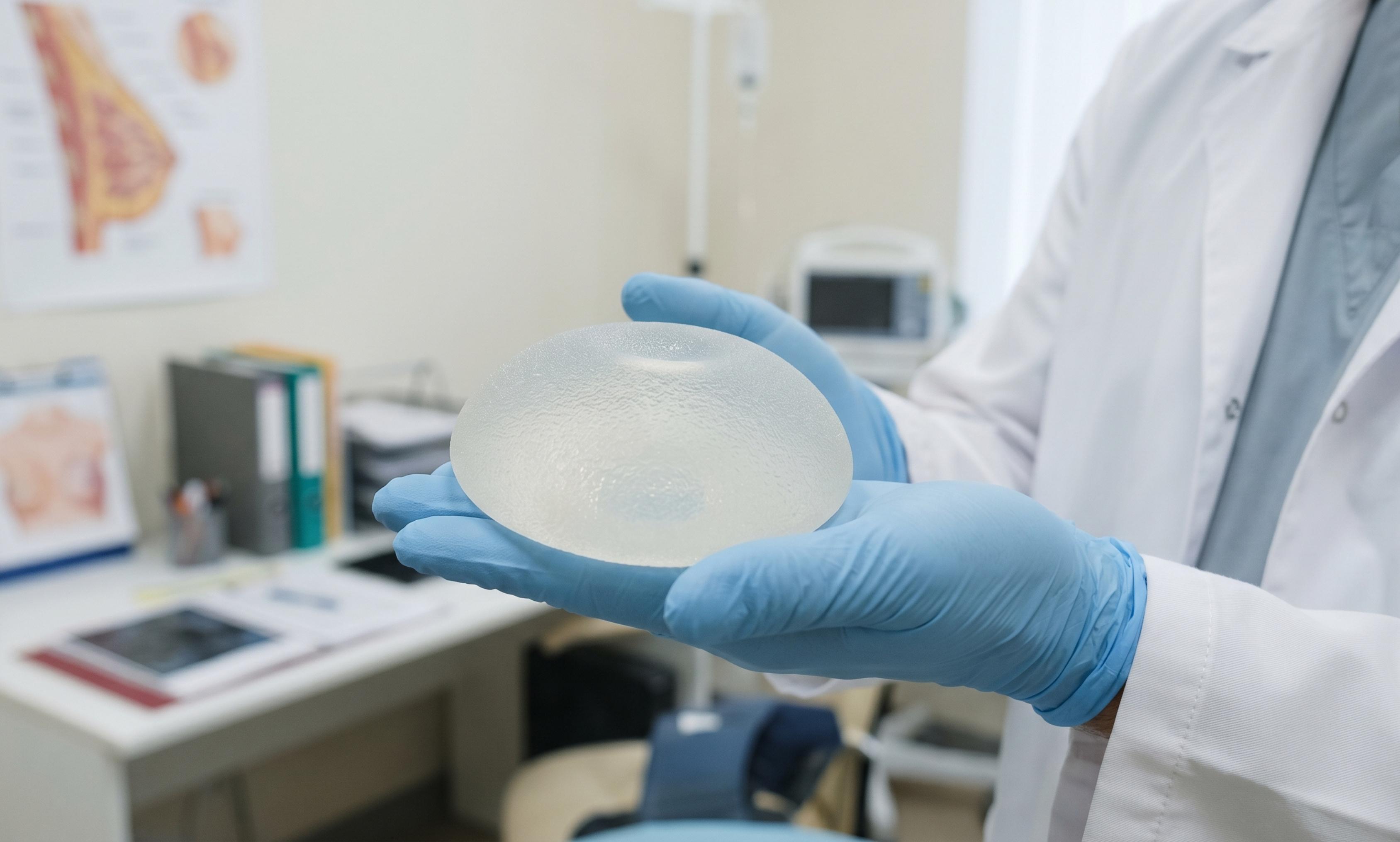
Motiva implants are considered a premium choice and typically carry a higher price point than standard saline or traditional silicone implants due to the advanced technology, safety features, and dynamic gel properties they incorporate. Total costs in the U.S. generally fall within the range of $7,000 to $12,000 or higher.
Traditional breast augmentation with established implants from Allergan or Mentor typically runs lower, depending on surgeon, facility, and geography.
What drives the cost difference:
- The implant device itself costs more to manufacture
- Surgeons placing Motiva implants often have specialised training
- The Q Inside™ microchip technology is built into the device cost
- Ergonomix® and Ergonomix2® models sit at a higher price point than Motiva Round options
Is It Worth It?
For many patients, yes. Particularly if:
- You have thin tissue or limited natural breast tissue coverage where visible rippling is a real risk
- You want the most natural movement and feel available on the market
- You’re prioritising lower capsular contracture risk and quicker recovery
- You value long-term monitoring ease through non-invasive verification
For others, traditional implants remain a strong, cost-effective choice, especially when a highly skilled plastic surgeon is selecting and placing them with precision. The implant is one variable. Surgeon skill, pocket placement (submuscular placement vs. subfascial placement), and the overall surgical plan drive outcomes just as much.
Pro tip: Factor in potential revision surgery costs over a 10-15 year horizon. A lower upfront cost with higher revision likelihood may not be the savings it appears to be. Financing through CareCredit or PatientFi can make either option accessible without compromising on care quality.
Which Implant Fits Which Patient
There is no universal answer here. Any plastic surgeon telling you otherwise isn’t being straight with you.
Motiva is likely the stronger fit if you:
- Have thin tissue, limited surrounding tissue, or are among those thin women where visible rippling is a known risk
- Want the most naturally adaptive movement tied to body position
- Are prioritising long-term breast health and lower complication rates
- Are open to a premium investment with advanced technology built in
- Are undergoing lift and augmentation and want smaller incisions with less tissue disruption for a quicker recovery
Traditional implants may still be the right choice if you:
- Have adequate natural breast tissue coverage that minimises visible rippling risk
- Prefer a fixed round shape with consistent upper pole fullness regardless of position
- Are working within a tighter budget, and a highly experienced surgeon is guiding placement
- Are patients seeking a well-documented implant with extensive long-term safety data
- Are undergoing breast reconstruction where specific implant properties are required
The real deciding factor is your unique anatomy, your aesthetic goals, and the judgment of a board-certified plastic surgeon who knows both options well. Surgical planning and technique are what bring your vision to life. A natural result is about proportion and harmony, achieved by selecting an implant size and profile that complements your unique frame.
At Aestira, Dr. Zeng evaluates your body type, skin quality, breast tissue, and long-term goals before recommending any implant. We offer both Motiva and traditional options because the right choice depends entirely on you. Explore our breast enhancement approach or schedule a consultation to find out which direction makes sense for your picture.
Placement, Technique, and What Happens in the OR
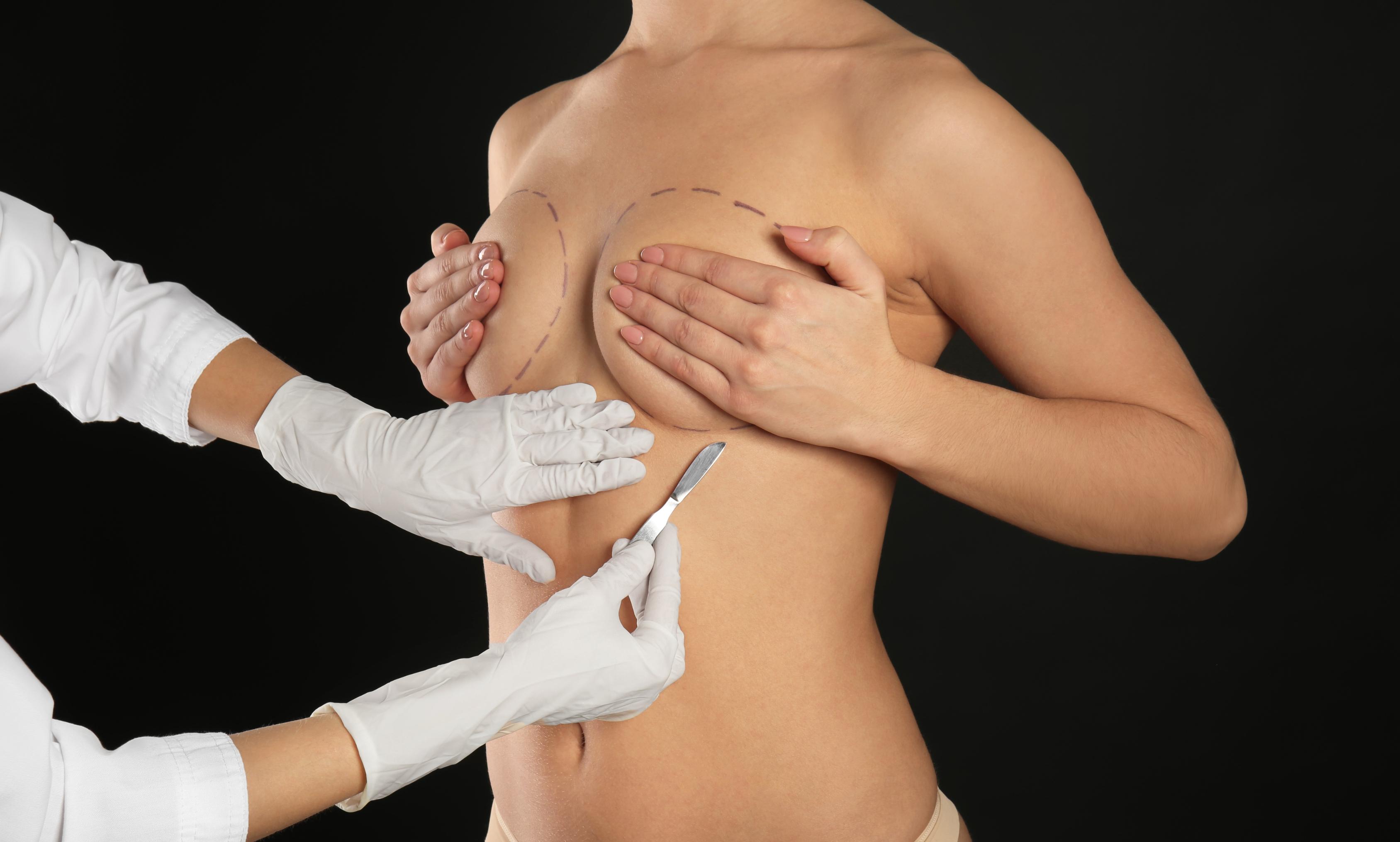
Most patients research implant types exhaustively and barely think about how the implant is actually placed. That’s a gap worth closing.
Whether you choose Motiva or traditional silicone gel breast implants, your plastic surgeon’s technique inside the OR shapes your outcome just as much as the device itself. A precisely created pocket, clean tissue handling, and accurate positioning along the inframammary fold all determine how naturally your implant sits and moves long-term.
Two primary placement approaches are used in breast augmentation:
- Submuscular placement: The implant sits beneath the chest muscles, which act as inner support structures, reducing visible rippling and providing more natural-looking upper pole coverage. Common with saline implants and traditional silicone implants in patients with limited breast tissue
- Subfascial placement: The implant sits above the muscle but beneath the fascial layer. Less disruptive to the chest muscles, often associated with quicker recovery and reduced animation deformity since the implant moves independently of muscle contraction
Thanks to Motiva’s TrueMonobloc® technology, plastic surgeons can insert these implants through smaller incisions, which matters for scarring and recovery. Traditional implants, particularly older cohesive silicone gel models, often require a larger opening to seat the implant properly, depending on the profile selected.
A note on animation deformity: This is when an implant visibly shifts or distorts during chest muscle movement. It’s more common with submuscular placement and firmer traditional implants. Motiva’s low-friction surface and adaptive gel reduce this noticeably, particularly in active patients.
The goal in every case is a precise pocket that lets the implant sit in correct alignment with your natural aesthetic lines, supporting breast shape without distorting it. That precision comes from surgical skill first, implant choice second.
Whether you’re considering your first breast augmentation or revisiting results from a previous procedure, the conversation about placement is one Dr. Zeng prioritises from the very first consultation at Aestira.
Your Implant Decision Gets Clearer With Aestira
Motiva vs traditional breast implants isn’t a question with one right answer. It’s a question that gets answered differently depending on your tissue, your goals, and your surgeon’s honest assessment. The research favours Motiva on safety metrics. But technique and fit always come first.
Key takeaways:
- Traditional implants offer decades of data; Motiva offers superior early safety metrics
- Motiva’s Ergonomix® adapts to body position for the most natural movement available
- Capsular contracture rates are significantly lower with Motiva’s SmoothSilk® surface
- Saline implants suit patients with adequate natural breast tissue and tighter budgets
- Submuscular vs subfascial placement affects animation deformity and recovery equally as much as implant choice
- The BluSeal® layer and Q Inside™ chip give Motiva a measurable edge in long-term breast health monitoring
- No implant replaces the judgment of a skilled, board-certified plastic surgeon
Dr. Zeng evaluates every patient’s unique anatomy before recommending any implant. At Aestira, we offer both Motiva and traditional options because the right choice is always personal. Explore our breast augmentation approach or book your consultation to get a recommendation built around you.
FAQs
Are Motiva implants better than regular implants?
For most patients seeking natural movement and low inflammatory response, Motiva outperforms traditional options on early safety data. Traditional implants still lead in long-term plastic surgery records.
What is the most recommended breast implant?
No single implant dominates the implant market. Board-certified plastic surgeons recommend based on anatomy, breast size, and aesthetic goals. Motiva and Allergan silicone consistently rank highest in patient satisfaction.
Are Motiva implants worth the hype?
Yes, for most patients. Advanced silicone gel technology, lower capsular contracture rates, and built-in implant details tracking make Motiva a strong investment for breast enhancement and long-term peace of mind.
What is the newest breast lift technique?
The Motiva Preservé technique combines advanced silicone gel implants with minimal-access incisions for breast enhancement. It reduces tissue trauma, supports quicker recovery, and is gaining strong traction in aesthetic plastic surgery.
Can Motiva implants be used for breast reconstruction?
Yes. Motiva implants are used in breast reconstruction cases where natural movement and enhanced biocompatibility are priorities. Your plastic surgeon will confirm suitability based on your tissue and surgical history.
How long do Motiva implants last compared to traditional implants?
Motiva implants are designed to last 10-20 years. Traditional implants average 10-15 years. Both require ongoing plastic surgery monitoring regardless of implant details or model chosen.