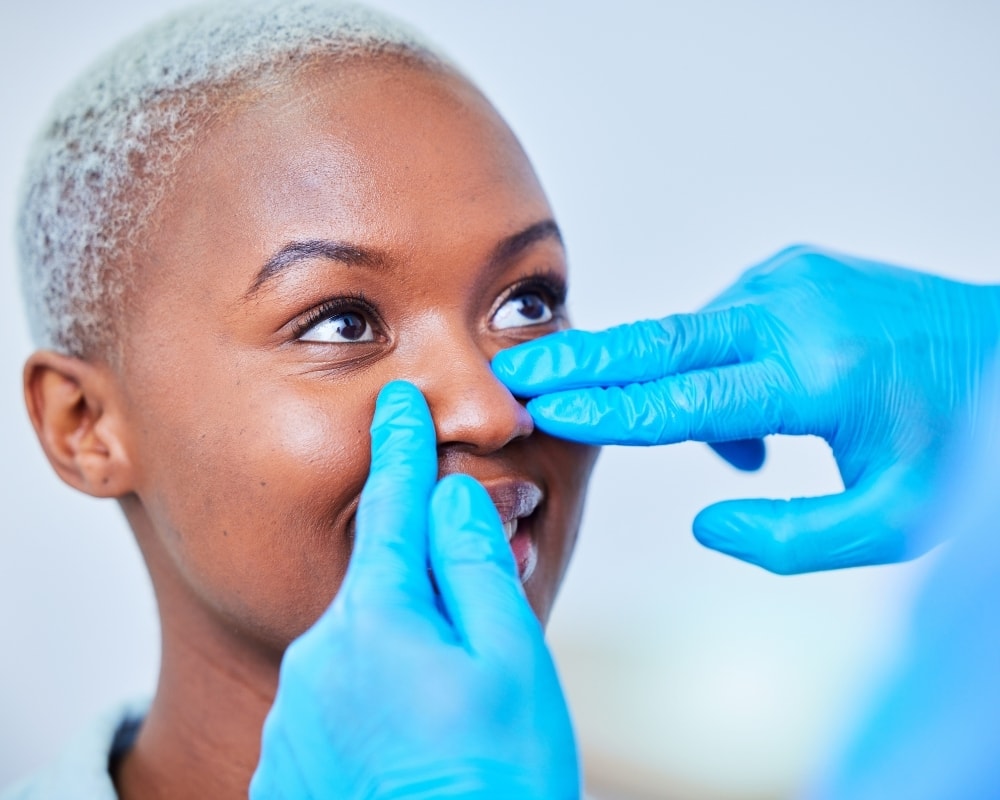
The answer isn’t as straightforward as you’d think. In raw numbers, Caucasians account for approximately 78% of all plastic surgery procedures in the U.S., followed by Hispanics at 8%, African Americans at 7%, and Asians at 5%. But raw numbers don’t tell the whole story. When you look at per capita rates, cultural attitudes, and global trends, the picture shifts dramatically.
This guide breaks down what the data actually shows and what it means for you.
What we’ll cover:
- U.S. plastic surgery statistics by ethnicity
- Which countries have the highest per capita rates
- Why certain procedures dominate in specific cultures
- The fastest-growing demographics in cosmetic surgery
- How ethnic rhinoplasty and other specialized procedures are changing the landscape
- Cultural factors that influence plastic surgery decisions
At Aestira in Miami, patients from every background seek procedures tailored to their unique features. Dr. Waylon Zeng specializes in honoring ethnic identity while achieving aesthetic goals, because beauty looks different on everyone.
U.S. Plastic Surgery Statistics by Ethnicity
When it comes to raw numbers, Caucasians dominate the U.S. cosmetic surgery market. Approximately 78% of all plastic surgery procedures in the U.S. are performed on Caucasian patients, followed by Hispanics at 8%, African Americans at 7%, and Asians at 5%.
But those percentages don’t tell the whole story. What matters more is the trend, and non-Caucasian patients represent the fastest-growing segment in aesthetic medicine.
American society is becoming more ethnically diverse, and this is mirrored in the demand for procedures among Hispanic, African American, and Asian populations. These groups are increasingly pursuing treatments like facial procedures and body contouring, guided by greater awareness and acceptance.
Here’s the breakdown of cosmetic procedures performed by ethnic group in the U.S.:
| Ethnicity | Share of Total Procedures | Most Popular Procedures |
|---|---|---|
| Caucasian | ~78% | Breast augmentation, liposuction, facelift |
| Hispanic | ~8% | Liposuction, breast augmentation, rhinoplasty |
| African American | ~7% | Rhinoplasty, liposuction, breast reduction |
| Asian American | ~5% | Eyelid surgery, rhinoplasty, facial surgery |
| Other | ~2% | Various procedures |
In 2010, Hispanic Americans led all ethnic groups in undergoing plastic surgery procedures with a total of 1.5 million procedures, 11% of all procedures completed in the U.S. Procedures in demand from this group include liposuction, nose reshaping, and breast augmentation.
African Americans accounted for 8% of all plastic surgery procedures in 2010, over 1 million procedures. The most common procedures from this group included nose reshaping, liposuction, and breast reduction. Asian Americans underwent 761,000 plastic surgery procedures in 2010, making up 6% of all surgeries performed within that year.
One critical consideration for many patients from ethnic groups is finding a surgeon who understands their unique anatomy. Over half (56.6%) of those surveyed said they thought it would be difficult to find a surgeon of the same race or ethnicity as themselves, while more than 30% said they would seek out a cosmetic surgeon of the same racial or ethnic background.
This matters because different skin types respond differently to surgical procedures. Non-Caucasian patients face higher risks of hypertrophic scars, keloid formation, and hyperpigmentation when working with surgeons unfamiliar with their specific needs.
At Aestira in Miami, Dr. Waylon Zeng understands these nuances. His approach combines surgical precision with deep respect for ethnic features, ensuring patients achieve results that enhance rather than erase their heritage.
Which Countries Have the Highest Per Capita Rates
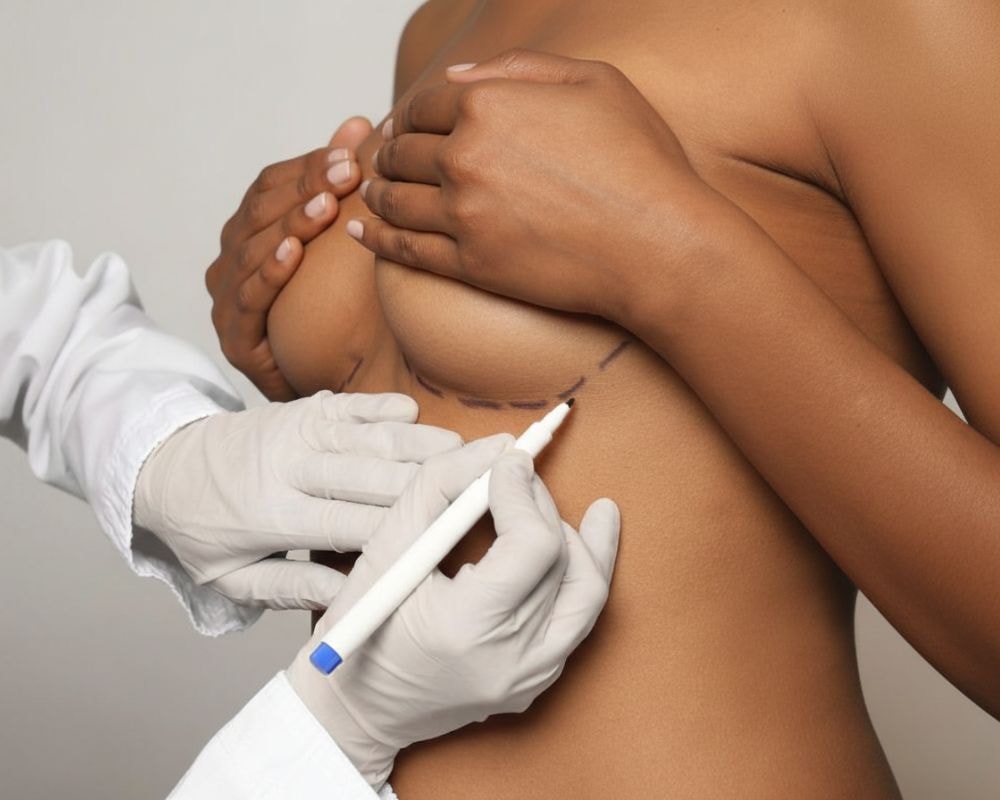
Total procedures don’t reveal cultural attitudes toward cosmetic surgery. Per capita rates do.
In 2021, at 8.9 procedures per 1,000 people, South Korea had the highest number of plastic surgeries per capita, followed by Argentina. In third place was Brazil with 7.62 plastic surgeries per 1,000 population.
Even though the United States was the country with the highest number of surgical cosmetic procedures in total in 2021, the U.S. only ranked sixth in terms of the number of plastic surgeries per capita worldwide.
Here’s how the countries leading in aesthetic procedures stack up:
| Country | Procedures per 1,000 People | Notable Trends |
|---|---|---|
| South Korea | 8.90 | Eyelid surgery, rhinoplasty, V-line jaw surgery |
| Argentina | 8.81 | Facial procedures, breast augmentation |
| Brazil | 7.62 | Liposuction, breast implants, and buttock augmentation |
| Colombia | 7.26 | BBL, liposuction, body contouring |
| Greece | 6.33 | Rhinoplasty, facial procedures |
| United States | 5.91 | Liposuction, breast augmentation, botulinum toxin |
Despite performing less total cosmetic procedures than the US, Brazil, and Mexico, Argentina has the second highest rate of cosmetic surgery per capita.
In 2024, approximately 38 million procedures were performed worldwide, marking a significant 42.5% increase compared to four years prior. That number includes both surgical procedures and non-surgical procedures like botulinum toxin injections and chemical peels.
Once again, the US performed the most procedures, with over 6.1 million, followed by Brazil with 3.1 million (which is first in surgical procedures with 2.3 million) and Japan.
The global scale of cosmetic surgery continues expanding. Eyelid surgery is, for the first time, the most common surgical procedure in 2024, replacing liposuction, followed by liposuction, breast augmentation, scar revision, and rhinoplasty.
What these numbers reveal is that plastic surgery has become normalized across vastly different cultures. The total number of procedures performed worldwide now represents a significant portion of healthcare spending, and the medical tourism industry has emerged as a direct result.
Why Certain Procedures Dominate in Specific Cultures
Beauty standards vary dramatically across the globe, and these cultural preferences shape which common procedures dominate in each region.
South Korea: The Eyelid Surgery Capital
Double eyelid surgery, also known as blepharoplasty, is one of the most popular cosmetic procedures in South Korea. With around 200,000 people undergoing double eyelid surgery every year, it plays a significant role in the nation’s beauty culture.
The percentage of East Asian women who naturally have upper eyelid creases varies among studies, with reported amounts ranging from 41% in Koreans to 70-83% in Chinese and Japanese.
According to the Korean Statistical Information Service, 99% of the women who have undergone plastic surgery did so for cosmetic reasons, with 41% of them citing vanity as the primary motivation.
The most requested procedure in Asian countries like South Korea isn’t just about aesthetic appearance. In Korean society, where subtle facial expressions are essential for personal and professional interactions, monolid eyes can sometimes make individuals look tired or less approachable. Double eyelid surgery helps people enhance their facial expressions, making them appear more energetic, friendly, and expressive.
Brazil: Body Contouring and Curves
Brazil takes a completely different approach to beauty. Brazilian culture is very much about the flaunting of the body in a more curvy fashion. The procedure known as the Brazilian Butt Lift is a direct fit for the trend of hotter and more voluptuous women’s shape, which has been the beauty ideal in Brazil for ages: wider hips, smaller waists, bigger and nicely shaped backsides.
Brazil offers its citizens tax relief, and there is no stigma for getting plastic surgery. In fact, liposuction and breast implants are considered status symbols.
Middle Eastern Regions: Rhinoplasty Dominates
For patients of Middle Eastern descent, rhinoplasty remains the most popular procedure. The focus is typically on reducing a prominent nasal hump while maintaining facial features that honor their heritage.
Middle Eastern patients usually have a large or drooping tip with a significant bump on the bridge. The Middle Eastern rhinoplasty procedure helps to reduce the hump, reshape the nose, smooth the bridge, and create a more defined tip while preserving the patient’s cultural identity.
Latin America: Full Body Transformation
By the turn of the century, the Brazilian butt lift became one of the most sought-after aesthetic body contouring procedures in the United States. This surge was driven by the evolving aesthetic ideals of US women from the thin, athletic, “hard bodies” of the 1990s, to the fuller, more voluptuous figures exemplified by several well-known celebrities. In addition, many women now choose to emphasize aesthetically attractive ethnic features such as wider hips and fuller buttocks.
The common thread across all cultures? Modern cosmetic practice has shifted toward preserving ethnic features while refining specific concerns. Patients no longer want to look like someone else; they want to look like the best version of themselves.
The Fastest-Growing Demographics in Cosmetic Surgery
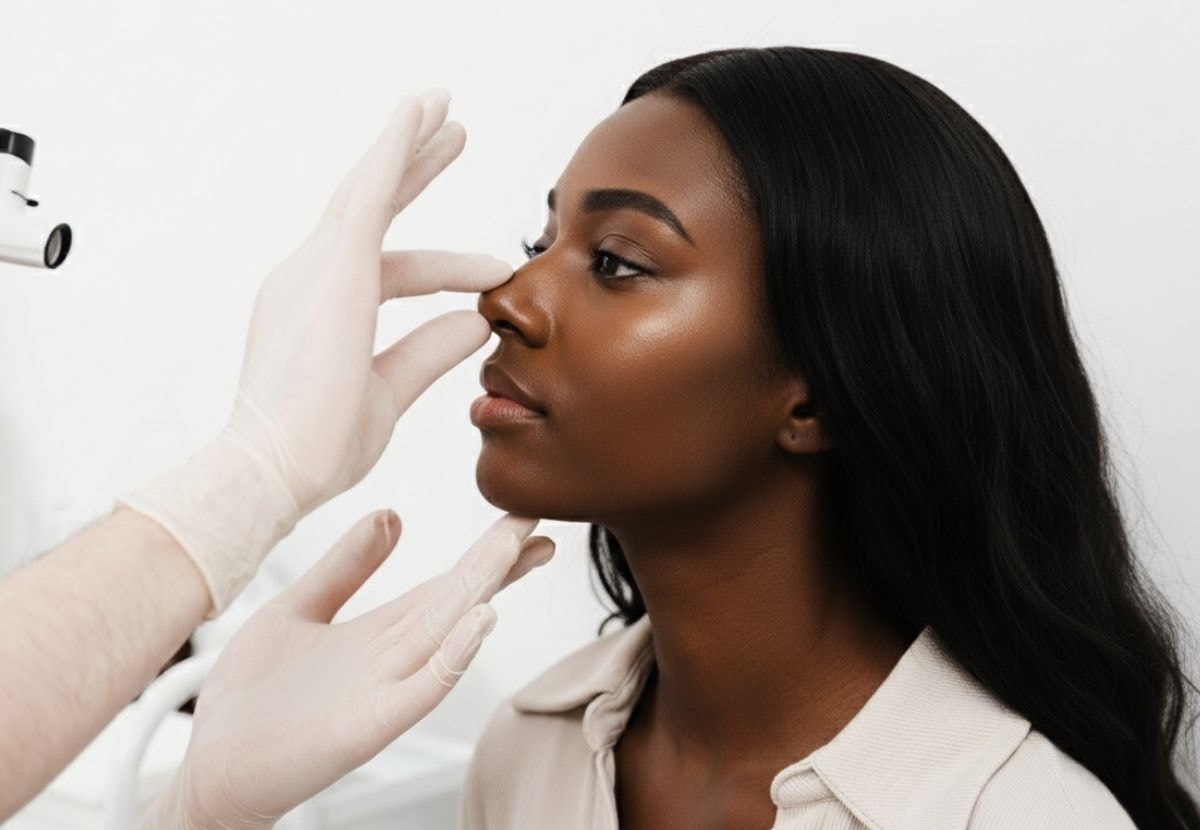
Plastic surgery continues to expand across every demographic, but certain groups are driving growth faster than others.
Men Are Joining the Conversation
In 2023, women constituted about 85.5% of all aesthetic procedures performed, yet there has been a significant uptick in men seeking cosmetic enhancements. Specifically, there was a 6% rise in total procedures performed on men, with body-focused procedures skyrocketing by 18%.
44% of AAFPRS surgeons expect more men to have treatments and surgeries in the coming years. AAFPRS members also noted that they are seeing more young men under age 35 seeking surgical and non-surgical enhancements.
Younger Patients Seeking Prevention
Globally, cosmetic surgery patients are predominantly young adults aged 18 to 34. This age group largely opts for surgical procedures, with breast augmentation and rhinoplasty being especially common. For individuals aged 35 to 50, non-surgical treatments like botulinum toxin injections are more popular.
Rhinoplasty remains the single most requested surgery among patients under 34 years old.
Ethnic Patients Are the Fastest-Growing Segment
Among ethnic groups, cosmetic surgery is most popular among Asians (31.4% of respondents), followed by Hispanics (27.4%) and African Americans (18.8%). The significant increase in procedures among these groups reflects changing attitudes toward aesthetic enhancement across all ethnic groups.
Media exposure plays a significant role in shaping societal attitudes. Platforms like Instagram and Snapchat foster an environment where appearance concerns are amplified, encouraging people to consider cosmetic improvements.
The Numbers by Age Group
Most breast augmentations (54% of the total), rhinoplasties (60.1%), and external genital surgery (48.4%) took place on 18–34-year-olds, whereas botulinum toxin injectables were most popular among those aged 35–50 (47.0% of the total).
Many patients from diverse backgrounds are now actively seeking board-certified plastic surgeons who specialize in ethnic plastic surgery, recognizing that generalist approaches may not deliver the natural results they desire.
How Ethnic Rhinoplasty and Other Specialized Procedures Are Changing the Landscape
The most significant shift in modern plastic and reconstructive surgery? Specialization for diverse patients.
The growth in rhinoplasty may be driven by the growing interest in ethnic rhinoplasty, an offering by many plastic surgeons that maintains the patient’s cultural identity.
Ethnic rhinoplasty is a specialized form of nasal surgery designed to enhance the appearance of the nose while preserving the patient’s unique cultural and ethnic identity. Unlike traditional rhinoplasty, which has historically focused on achieving Eurocentric ideals, ethnic rhinoplasty emphasizes harmony with the patient’s facial features, skin type, and bone structure.
The Evolution from “One-Size-Fits-All” to Personalized Care
According to industry statistics, rhinoplasty is one of the most popular procedures among ethnic minority patients, and the numbers are growing. Since 2000, the number of ethnic rhinoplasty procedures has more than doubled.
Surgeons trained in ethnic rhinoplasty pay close attention to anatomical nuances like skin thickness, cartilage quality, and facial harmony unique to each ethnic group. This tailored approach ensures the results are natural, balanced, and culturally appropriate.
Specialized Techniques for Different Backgrounds
Specialized surgical techniques may involve structural modifications such as augmenting the nasal bridge in Asian noses or narrowing wide nostrils in African American noses. These procedures require careful planning and precise execution to avoid over-altering distinctive ethnic features.
Here’s how approaches differ by background:
| Ethnicity | Common Goals | Specialized Techniques |
|---|---|---|
| African American | Bridge definition, tip refinement | Cartilage grafting, nostril narrowing |
| Asian | Bridge augmentation, tip projection | Septal/ear/rib cartilage grafts |
| Middle Eastern | Hump reduction, tip definition | Reduction techniques, bridge smoothing |
| Hispanic | Tip refinement, overall balance | Combination augmentation/reduction |
Risks associated with darker skin tones, such as scarring or hyperpigmentation, are mitigated through strategic incision line placement and gentle tissue handling.
Beyond Rhinoplasty: Other Specialized Procedures
The rise of ethnic plastic surgery extends beyond nose reshaping. Plastic surgeons worldwide now offer specialized approaches for:
- Eyelid surgery tailored for Asian patients (avoiding the “Westernized” look)
- Body contouring that respects cultural beauty standards
- Breast procedures that consider different tissue characteristics across skin types
- Facial surgery that maintains the bone structure unique to different ethnic features
Plastic surgery was never one-size-fits-all, but now there is even more sensitivity and awareness around tailoring procedures to preserve patients’ unique ethnic features.
At Aestira, Dr. Waylon Zeng brings this philosophy to every consultation. His approach to ethnic rhinoplasty and other procedures focuses on refinement, not transformation, honoring each patient’s heritage while achieving their aesthetic goals.
Cultural Factors That Influence Plastic Surgery Decisions
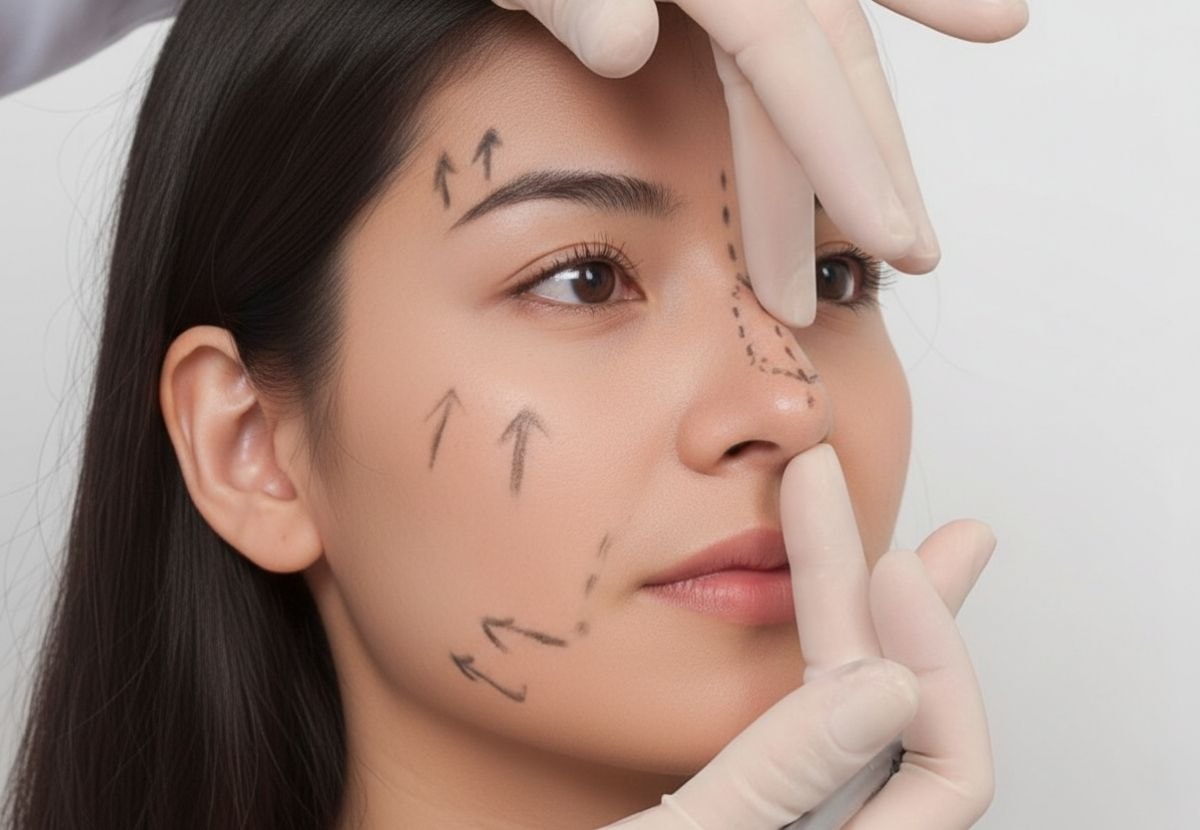
Understanding why people choose cosmetic surgery requires looking beyond vanity. Cultural, economic, and social factors all play significant roles.
Employment and Social Pressure
Due to a competitive job market, appearance is considered an important factor when hiring, which pressures candidates into undergoing surgery to gain an edge over their competitors. According to a survey, 92.2% of South Korean women expect to face appearance-based discrimination during job interviews.
South Korea leads globally in plastic surgeries per capita, and is often referred to as the cosmetic surgery capital of the world. Estimates suggest that 1 in 3 South Korean women between the ages of 19 to 29 have had plastic surgery.
Medical Tourism and Accessibility
The medical tourism industry has made procedures worldwide more accessible than ever. ISAPS ranks Colombia as a global leader in plastic surgery tourism, with 35.9% of patients coming from abroad, surpassing Mexico (35.1%), Turkey (30.7%), and Thailand (25.4%).
Popular countries for destination surgery for patients residing in the United States include the Dominican Republic, Mexico, Colombia, Turkey, and Thailand, likely as a result of lower costs, decreased wait times, increased privacy, and prospects for a combined vacation.
However, patient safety should always come first. Although it is elective, aesthetic cosmetic surgery is an actual surgery that involves risks and possible side effects. Safety should be the priority, and we encourage patients to choose a board-certified, specialized plastic surgeon, trained and experienced in the procedure.
Media Influence and Celebrity Culture
With the rise of celebrities like Kim Kardashian and Nicki Minaj in the 2000s came an intense focus on curves, especially bigger booties. As celebrities caused a shift in societal beauty standards toward this more voluptuous aesthetic, people tried to follow the trend.
These influencers kill two birds with one stone, demonstrating their own BBL transformation while fostering a new, curvier beauty standard that makes BBL seem more desirable. Social media increases the visibility and reach of these trends.
The Preservation Movement
Perhaps the most important cultural shift is the rising demand for procedures that preserve rather than erase ethnic features.
This is particularly true for men and women of certain ethnic heritages who want to retain their unique cultural identity while addressing various cosmetic and functional nasal concerns.
Rhinoplasty procedures are used to follow the same techniques, regardless of the patient. However, modern rhinoplasty doesn’t just conform to a singular aesthetic standard. Instead, it can embrace and enhance individual ethnic characteristics.
Cost Considerations Across Other Countries
Countries like Costa Rica, Colombia, and Turkey have become major destinations for foreign patients seeking affordable procedures. However, improved technology and rising demand have also elevated standards domestically.
The price of a rhinoplasty at one of the top 5 hospitals in South Korea can cost between $2,000-$3,520, while a facelift ranges between $7,000-$11,500, and an upper blepharoplasty can cost as little as $2,000.
For many patients, the decision ultimately comes down to finding a surgeon who understands their unique goals. At Aestira in Miami, Dr. Waylon Zeng combines technical expertise with cultural sensitivity, helping patients from all backgrounds achieve results that feel authentic to them. His integrative wellness approach to recovery, including nutritional guidance and biostimulation protocols, ensures patients heal optimally while preserving the natural characteristics that make them unique.
Celebrate Your Unique Beauty With Aestira
The question of what ethnicity gets the most plastic surgery reveals a complex picture shaped by culture, geography, and evolving beauty standards. Caucasians lead in raw numbers, but per capita rates tell a different story, with South Korea, Argentina, and Brazil topping the charts. The real takeaway? Every background has its own relationship with cosmetic enhancement.
Key takeaways:
- Caucasians account for approximately 78% of U.S. procedures, but Hispanic, Asian, and African American patients represent the fastest-growing demographics
- South Korea leads the world in per capita rates at 8.9 procedures per 1,000 people, followed by Argentina and Brazil
- Cultural beauty standards drive procedure preferences: eyelid surgery dominates in Asia, body contouring in Brazil, and rhinoplasty in the Middle East
- Ethnic rhinoplasty has more than doubled since 2000 as patients seek refinement rather than transformation
- Medical tourism has expanded access, with Colombia, Mexico, Turkey, and Thailand emerging as major destinations for foreign patients
- Modern plastic surgery emphasizes preserving ethnic features while achieving individual aesthetic goals
At Aestira in Miami,Dr. Waylon Zeng specializes in procedures that honor your heritage while achieving the results you want. His patient-centric approach combines surgical artistry with a deep understanding of diverse facial features and body types, ensuring every outcome feels authentic to you.
FAQs
What race gets the most plastic surgery?
Caucasians account for approximately 78% of all cosmetic procedures in the U.S. However, when examining growth rates, Hispanic and Asian American patients represent the fastest-expanding demographics seeking aesthetic procedures.
What culture gets the most plastic surgery?
South Korean culture embraces cosmetic enhancement more than any other, with estimates suggesting one in three women aged 19 to 29 has undergone plastic surgery. The American Board of Facial Plastic Surgery notes that cultural acceptance plays a significant role in these numbers.
What nation has the most plastic surgery?
The United States leads in total procedures with over 6.1 million performed annually, where most plastic surgeons practice. However, South Korea has the highest per capita rates at 8.9 procedures per 1,000 people, making it the cosmetic surgery capital of the world.
Why do so many Latinas get plastic surgery?
Latin American beauty standards celebrate curves and defined silhouettes, driving demand for body contouring procedures. Cultural acceptance, combined with accessible options in countries like Brazil and Colombia, has normalized enhancement.
For example, procedures addressing ethnically sensitive areas like the nose or buttocks focus on refining other facial features and raised tissue while preserving heritage. Many patients also benefit from less invasive techniques that reduce recovery time.