
Most people treat recovery like a waiting game. Surgery ends, and then you just… wait. Rest, eat soup, binge something on Netflix, and hope for the best. But here’s the thing: how fast you heal has less to do with luck and more to do with what you do before and after you go under.
Studies show that patients who follow structured recovery protocols return to normal activity significantly faster than those who don’t. That’s not a small detail. That’s weeks of your life back.
This guide covers everything that actually moves the needle:
- What to do before surgery to set your body up for a faster heal
- Nutrition and hydration strategies that directly fuel tissue repair
- Sleep, stress, and movement: the recovery trio most people get wrong
- Wound care and swelling management done right
- Integrative wellness therapies that go beyond the standard post-op checklist
- A procedure-by-procedure recovery timeline so you know exactly what to expect
At Aestira, recovery isn’t an afterthought. It’s built into the surgical plan from day one. Dr. Zeng’s team designs personalized wellness protocols around each procedure, targeting inflammation, accelerating healing, and getting you back to your life faster.
Prepare Before You Go Under
Recovery doesn’t start in the recovery room. It starts weeks before your surgery date.
This concept has a name: prehabilitation (or “prehab”). A January 2025 review of 186 trials published in The BMJ found that pre-surgical preparation, specifically exercise and nutrition, reduces complications, shortens hospital stays, and improves physical recovery. That’s not a minor footnote. That’s hard evidence that what you do before surgery shapes what happens after.
Move Your Body
Physical activity before surgery can speed up your recovery and reduce the risk of complications. For many people, walking 30 minutes each day is a practical starting point.
You don’t need to train for a triathlon. Consistent, moderate movement builds the cardiovascular base your body needs to handle surgical stress and bounce back faster.
Load Up on Protein and Carbs
Research suggests that protein-loading one to two weeks before surgery, and continuing extra protein for up to three months post-op, improves recovery and decreases muscle atrophy.
Think eggs, lean meats, legumes, and Greek yogurt. Keep it simple and consistent.
Quit Smoking. Seriously.
Alcohol and smoking cessation programs overhaul the patient’s mental health and boost the healing process. Smoking restricts circulation. Poor circulation means slower healing, higher infection risk, and more complications.
Prep Your Mind, Too
Stress is a physiological response, not just an emotional one. Mindfulness, meditation, and relaxation techniques like deep breathing can reduce anxiety and stress before surgery, both of which directly affect how your body handles the recovery process.
The Pre-Op Checklist
| What to Do | When to Start |
|---|---|
| Daily walking (30 min) | 4-6 weeks before |
| Protein-loading | 1-2 weeks before |
| Quit smoking | At least 4 weeks before |
| Reduce/eliminate alcohol | At least 2 weeks before |
| Practice deep breathing | 2-4 weeks before |
| Arrange home support | 1-2 weeks before |
At Aestira, prehab isn’t something patients figure out on their own. The prehabilitation protocols are built directly into your surgical plan, so you walk into the OR already a step ahead.
Eat to Heal: Nutrition and Hydration

You can rest all you want. But if your body doesn’t have the right raw materials, healing slows down. A lot. What you eat after surgery directly determines how fast your tissues repair, how well your immune system fights off infection, and how quickly swelling resolves.
Think of food as your body’s building blocks for recovery.
Protein: The Foundation
Protein is the most important nutrient for wound healing and tissue repair post-surgery. Your body breaks it down into amino acids, which are the literal building blocks your muscles, skin, and connective tissue need to rebuild. Research shows your protein needs can nearly double after major surgery.
Good sources to focus on:
- Eggs: easy to digest, high in complete protein
- Lean meats, fish, and poultry
- Greek yogurt, cottage cheese, and legumes
- Protein shakes if appetite is low in the first few days
Aim for 1.2 to 2.0 grams of protein per kilogram of body weight daily throughout your recovery process.
Vitamin C and Other Key Nutrients
Vitamin C is essential for collagen production, which is what knits your surgical site back together. Citrus fruits, bell peppers, strawberries, and broccoli are all excellent sources. Without enough of it, wound healing stalls.
Other nutrients that directly support your body’s healing:
| Nutrient | Why It Matters | Best Food Sources |
|---|---|---|
| Vitamin C | Collagen synthesis, immune function | Citrus fruits, bell peppers |
| Zinc | Tissue repair, immune support | Nuts, seeds, lean meats |
| Iron | Produces new blood cells, boosts energy | Spinach, lentils, eggs |
| Vitamin D | Supports strong bones and immune function | Fatty fish, fortified dairy |
| Omega-3s | Reduces inflammation | Salmon, walnuts, flaxseeds |
| Fiber | Keeps bowels moving post-anesthesia | Oats, apples, lentils |
What to Avoid During the Recovery Process
Some foods actively work against your body’s healing process. Cut these out during recovery:
- Sugary foods and excessive sugar: trigger inflammation and suppress immune function
- Processed foods: high in refined fats and additives that slow healing
- Alcohol: interferes with prescribed medications and prevents your body from absorbing key nutrients like vitamin C and protein
- Sports drinks: the sodium content can increase swelling
Stay Hydrated
Dehydration is one of the most common and easily avoidable recovery mistakes. Water supports circulation, helps your body absorb nutrients, flushes toxins, and delivers oxygen to the surgical site. Aim for 8 to 10 glasses per day, and more if you’re on pain medication.
Pro tip:If plain water feels monotonous, herbal teas, broths, and water-rich foods like cucumbers and watermelon all count toward your daily intake.
Sleep, Stress, and Movement: Get These Right
Most people get one of these right. Few get all three. And all three are essential for a speedy and uneventful recovery. Here’s where most patients go wrong.
Sleep: More Than Just Rest
Sleep is not passive. While you sleep, your body releases growth hormone, repairs damaged tissue, regulates inflammation, and strengthens immune function. Disrupted sleep after surgery is directly linked to higher pain levels, slower wound healing, and increased risk of complications.
A few things that help:
- Elevate your head and the surgical site, where possible. For facial procedures, a 30 to 45 degree angle reduces swelling significantly
- Keep your bedroom cool (60 to 67°F), dark, and quiet
- Time your pain medication about 30 minutes before bed so it’s working at its peak when you need it most
- Avoid screens for at least an hour before sleep
The hard truth: pain medication can cause drowsiness during the day but actually disrupts deep sleep architecture at night. Talk to your doctor about timing and dosage to get adequate rest without fragmenting your sleep cycles.
Stress: The Silent Recovery Killer
Stress elevates cortisol. Cortisol suppresses immune function, increases inflammation, and slows tissue repair. It’s one of the most overlooked variables in the recovery process.
Practical ways to manage it:
- Short, guided meditation sessions (even 10 minutes have a measurable impact)
- Deep breathing exercises
- Staying off social media and limiting news intake
- Asking a family member or loved one to handle logistics so you can fully focus on healing
Movement: Walk Before You Run
The instinct to stay completely still after surgery is understandable. Wrong instinct. Light movement is one of the most important things you can do to recover faster. Walking, even just around the house, improves circulation, keeps bowels moving after anesthesia, and significantly reduces the risk of blood clots.
The key is gradual. Do not push. Do not rush. Follow your doctor’s guidance on when to progress from light movement to physical activity and eventually structured physical therapy.
| Phase | Activity Level | Goal |
|---|---|---|
| Days 1 to 3 | Short walks inside the home | Circulation, prevent blood clots |
| Week 1 to 2 | Light daily walking | Increase circulation, manage swelling |
| Week 2 to 4 | Gentle movement as cleared | Rebuild strength and mobility |
| Week 4 and beyond | Physical therapy as directed | Full functional recovery |
Wound Care and Swelling: Do It Right for Successful Recovery

This section might not be glamorous. But neglecting your surgical site is one of the fastest ways to extend your recovery or end up with complications. Infection, scarring, and reopened wounds are almost always preventable with proper care.
The Non-Negotiables
- Always wash your hands before touching the wound or changing a dressing
- Use sterile materials only. Never reuse dressings
- Clean the wound gently with saline solution or mild soapy water. Never use alcohol, hydrogen peroxide, iodine, or antibacterial soaps, these damage tissue and slow healing
- Keep the surgical site dry for at least the first 48 to 72 hours
- Wear loose, breathable clothing over the wound to prevent friction
Managing Swelling
Some swelling after surgery is completely normal. Your body is doing exactly what it should. The goal is to keep it from getting excessive.
What actually works:
- Elevation keeps the surgical site above your heart level when resting
- Cold compresses applied around (never directly on) the incision, for 20 minutes at a time
- Take your prescribed medications as directed, including any anti-inflammatories approved by your doctor
- Stay hydrated and avoid sodium-heavy foods, which cause fluid retention
Red Flags to Watch For
Contact your doctor immediately if you notice:
- Increasing redness, warmth, or pain around the surgical site
- Discharge that is thick, yellow, green, or foul-smelling
- The wound appears to be opening or darkening
- Fever above 100.5°F (38°C)
- Asymmetrical or sudden swelling that seems out of proportion
Your body gives you signals. Pay attention to them.
Beyond Standard Post-Op: Integrative Wellness Therapies
This is where recovery moves from standard to exceptional. Most post-op checklists cover the basics: rest, eat well, don’t lift heavy things. But there’s a growing body of evidence showing that integrative wellness therapies can meaningfully accelerate the body’s healing response: reducing inflammation, supporting tissue repair, and helping patients recover faster than typical timelines suggest.
This is exactly the approach built into every procedure at Aestira.
Biostimulation
Biostimulation therapies work by activating the body’s own cellular repair mechanisms. These treatments stimulate collagen production, reduce inflammation at the tissue level, and promote faster healing at the surgical site. For cosmetic surgery patients, this translates to less prolonged swelling, better scar outcomes, and a quicker return to looking and feeling like yourself.
Hormone Optimization
Surgery puts the body under significant physiological stress. Hormone levels, particularly those tied to healing, inflammation, and tissue regeneration, can become disrupted. Hormone optimization protocols assess and support the body’s hormonal environment during recovery, helping patients maintain the internal conditions needed for efficient healing.
Nutritional Guidance
A well-balanced diet matters, but personalized nutritional guidance takes it further. Rather than generic advice to “eat more protein,” a structured nutritional protocol accounts for the specific demands of your procedure, your baseline health, and your recovery timeline. At Aestira, this is part of the holistic recovery program, not an afterthought.
Recovery Protocols and Prehabilitation
Structured recovery protocols reduce guesswork. You know exactly what to do, when to do it, and why, from managing post-surgery pain and swelling in the first 72 hours to gradually reintroducing physical activity over the following weeks. Combined with prehabilitation before the procedure, this approach front-loads your recovery so your body is already prepared before the surgeon makes an incision.
The result: patients who go through integrated wellness protocols don’t just recover. They recover well, with less downtime, better outcomes, and a smoother overall experience.
Procedure-by-Procedure Recovery Timeline
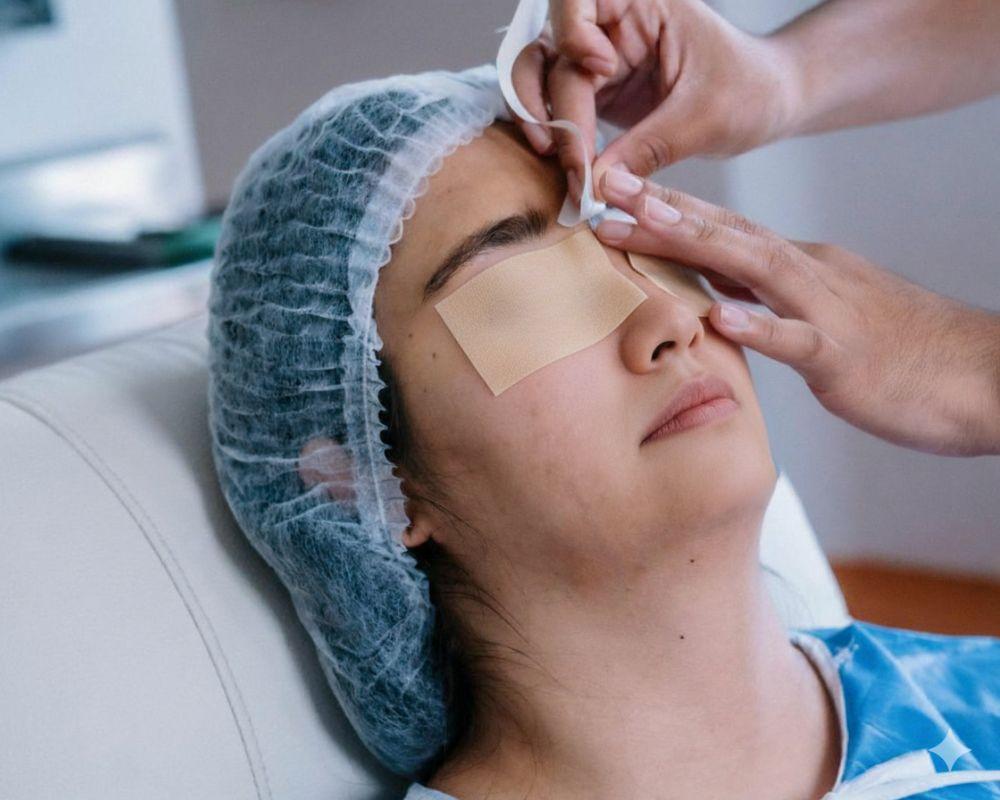
One of the most common questions after surgery is: When can I get back to normal? The honest answer is: it depends on the procedure. But “it depends” isn’t useful. So here’s a clear, data-backed breakdown drawn from Aestira’s actual patient timelines, comparing typical recovery windows with what’s achievable under an integrated wellness approach.
Note: All timelines below reflect general expectations. Your doctor will give you guidelines specific to your procedure and health history. Always follow your surgeon’s instructions above any general guidance.
Face Procedures
| Procedure | Typical Light Work | Aestira Light Work | Typical Exercise | Aestira Unrestricted Exercise |
|---|---|---|---|---|
| Brow Lift | 2 weeks | 1 week | 4 weeks | 3 weeks |
| Face Lift | 4 weeks | 1-2 weeks | 4-6 weeks | 3 weeks |
| Neck Lift | 4 weeks | 1-2 weeks | 4-6 weeks | 3 weeks |
| Lip Lift | 2-3 weeks | 1-2 weeks | 4 weeks | 3 weeks |
| Rhinoplasty | 2 weeks | 1 week | 6-8 weeks | 4-5 weeks |
| Blepharoplasty | 1-2 days | 3-5 days | 2 weeks | 2 weeks |
| Fat Transfer (face) | 1-2 days | Immediately | 1 week | 2 weeks |
| Jaw Contouring | 3-4 weeks | 2-3 weeks | 4-6 weeks | 3-4 weeks |
| Restora Lift | 4-6 weeks | 2 weeks | 6 weeks | 4 weeks |
Breast Procedures
| Procedure | Typical Light Work | Aestira Light Work | Typical Exercise | Aestira Unrestricted Exercise |
|---|---|---|---|---|
| Augmentation (implant) | 2-3 weeks | 1 week | 6 weeks | 3-4 weeks |
| Augmentation (fat) | 2 weeks | 4-5 days | 4-6 weeks | 3-4 weeks |
| Breast Lift | 3-4 weeks | 1 week | 6 weeks | 3-4 weeks |
| Breast Reduction | 4 weeks | 1-2 weeks | 6 weeks | 3 weeks |
| Gynecomastia | 2-3 weeks | 1-2 weeks | 4 weeks | 3-4 weeks |
| Top Surgery | 4 weeks | 1 week | 6-8 weeks | 6 weeks |
| Breast Reconstruction | 4-6 weeks | 2 weeks | 6 weeks+ | 6 weeks |
Body Procedures
| Procedure | Typical Light Work | Aestira Light Work | Typical Exercise | Aestira Unrestricted Exercise |
|---|---|---|---|---|
| Liposuction | 2-3 weeks | 1 week | 4 weeks | 3-4 weeks |
| Abdominoplasty | 4-6 weeks | 1-2 weeks | 6-8 weeks | 6 weeks |
| Arm Lift | 2-3 weeks | 1 week | 4 weeks | 4 weeks |
| Thigh Lift | 2-3 weeks | 1 week | 4 weeks | 4 weeks |
The difference between the typical column and the Aestira column isn’t luck. It’s the result of structured pre-op preparation, integrated wellness protocols, and a surgeon who designs the recovery plan with the same attention as the surgical plan itself.
Recover Smarter, Heal Better with Aestira
Recovery after surgery isn’t just about waiting it out. It’s about giving your body every advantage from day one. When you combine smart nutrition, quality sleep, proper wound care, and structured movement, you set yourself up for a successful recovery that’s faster and less frustrating than you’d expect.
Key takeaways from this guide:
- Start your recovery before surgery with prehabilitation and protein loading
- Eat a healthy diet rich in nutrient-dense foods; protein, vitamin C, zinc, and fiber are non-negotiable
- Sleep, stress management, and light movement are the recovery trio most people underestimate
- Proper wound care at the surgical site prevents the most common, most avoidable complications
- Integrative wellness therapies go beyond standard post-op care to promote healing at the cellular level
- Every procedure has a realistic timeline, and the right support can get you there faster
For a speedy and uneventful recovery, the details matter. Aestira was built around exactly that philosophy. Dr. Zeng and his team don’t just perform the procedure; they design your entire recovery experience, from prehabilitation through holistic post-op wellness protocols that are custom to you. Book your consultation and start your journey the right way.
FAQs
What is the best thing to do after surgery?
Follow your doctor’s instructions closely, eat a healthy diet, stay hydrated, and get adequate rest. These aren’t just general tips, they directly affect your pain levels, immune function, and how quickly your body heals. Consistent daily tasks like gentle walking and proper wound care matter just as much as the bigger-picture habits.
How can I make my body heal faster after surgery?
Focus on nutrient-dense foods, prioritize sleep, manage stress, and keep light movement in your routine. Research shows patients who follow structured recovery protocols, including nutrition, movement, and pain management, heal quicker and with fewer complications than those who don’t. For more tips, explore Aestira’s wellness protocols.
What to watch for after surgery?
Monitor your surgical site daily for signs of infection: increasing redness, warmth, unusual swelling, or discharge that’s thick and discolored. A fever above 100.5°F is also a red flag. Any of these put you at a higher risk of serious complications, so contact your doctor immediately if you notice them.
What to drink after surgery to heal faster?
Water is your best option. Aim for 8 to 10 glasses daily. Herbal teas and broths are good additions. Avoid alcohol, which interferes with prescribed medications and blocks your body’s ability to absorb key nutrients. Sports drinks and sugary drinks fall into the category of other foods and beverages that actively slow the recovery process.
How do you make stitches heal faster?
Keep the area clean, dry, and protected from friction. Change dressings with sterile materials as directed. A well balanced diet rich in vitamin C, zinc, and protein gives your body the tools it needs to promote healing at the wound level. Sun exposure on healing stitches increases scarring risk, so keep the area covered and use sunscreen once your surgeon gives the go-ahead.